 In this area
The Vancouver issue
Chinatown, Vancouver: heritage blocks, barbecue windows and late-night bars
A walk through Vancouver’s Chinatown, where century-old society halls, herbalists and barbecue counters share the blocks with Michelin rooms and some of Canada’s sharpest cocktail bars.
By Kieran NguyenSeawall, North Shore trails and the sea
Chinatown starts with a grudge. In 1913, Chang Toy lost most of his lot to a street-widening, so he built what was left into a 4-foot-11-inch storefront that still holds the Guinness record for the narrowest commercial building on Earth. That stubborn little sliver at Carrall and Pender says a lot about this neighbourhood: practical, improvised, proud, and never quite willing to disappear when the city redraws the map.
What Chinatown is known for
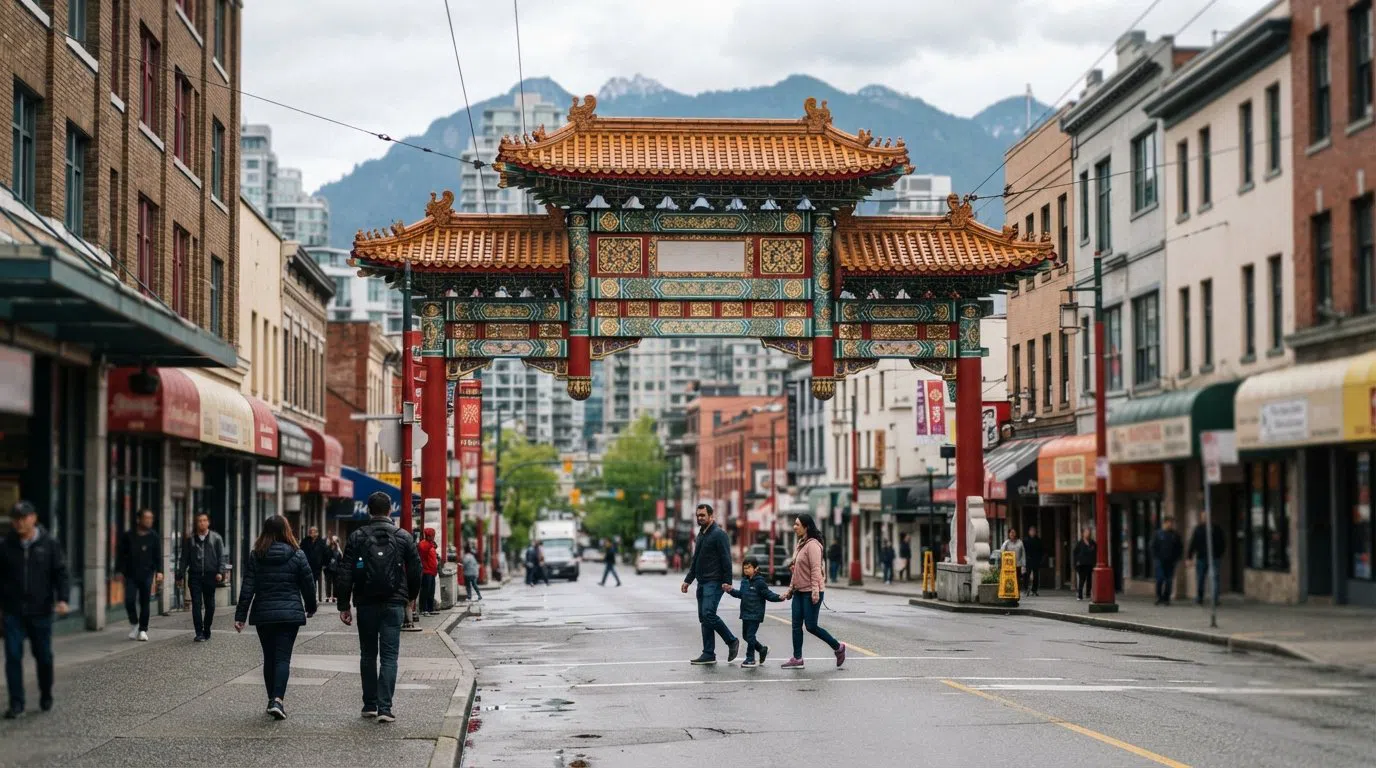
This is the largest Chinatown in Canada and the third-largest in North America, but size is not really the point. What matters is the way the district still reads as a lived-in piece of the city rather than a curated backdrop. Walk Pender and you see the early-twentieth-century bones everywhere: recessed balconies, terracotta detailing, old society halls, painted signs, and the occasional neon tube the city has been quietly bringing back to life. The district earned its national historic site status honestly, through the buildings Chinese merchants and clan associations put up between the 1880s and the 1920s, and those blocks still do the heavy lifting.
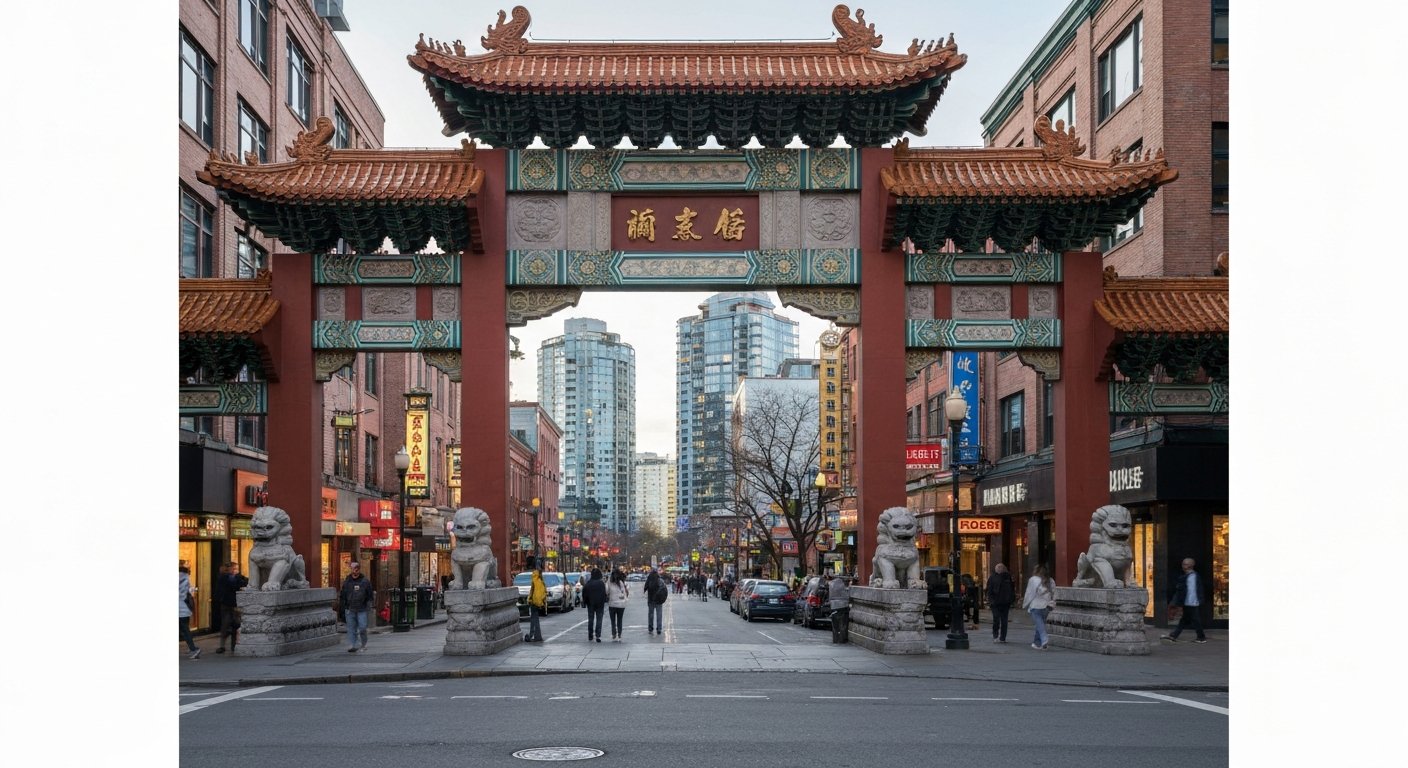
The western gateway is the Millennium Gate, raised over West Pender in 2002 with three terracotta-tiled arches, painted murals and granite lions. Its eastern face tells you to “remember the past and look forward to the future,” which feels like a neat line until you stand under it and realise the neighbourhood is already doing both at once. One block away sits the Sam Kee Building, the spite house that turned a loss into a record. It is absurdly narrow, but it is also exactly the sort of building a district like this keeps around: proof that Chinatown has always been built by people refusing to take no for an answer.
The other thing Chinatown is known for is the overlap. There is the old guard version: apothecaries with wooden drawers of dried roots, tea masters weighing loose oolong, barbecue windows with ducks hanging in the glass, elderly regulars nursing tea for hours. Then there is the newer wave that cheap heritage rents pulled in over the past fifteen years: a Michelin-starred Japanese-Italian room upstairs on Pender, apothecary-themed cocktail bars, a speakeasy hidden behind a dumpling shop. The two Chinatowns do not cancel each other out. They sit side by side, sometimes on the same block, and that tension is part of the appeal.
The district’s calmest treasure is the Dr. Sun Yat-Sen Classical Chinese Garden on Carrall Street, built in 1985–86 by 52 artisans from Suzhou using Ming-dynasty techniques and no power tools, nails or screws. It was the first full-scale classical Chinese garden built outside China, and it still feels like a small act of concentration in the middle of downtown. The garden is the kind of place that slows your breathing without asking permission. There is a guided walk included in the adult admission, which runs around CAD 16, and if you only want a quiet pause, the free public garden next door gives you that too.
Plan your Vancouver trip
Live prices from our booking partners.
Guests & rooms
Free cancellation on many rooms. We may earn a commission when you book.
Where to eat & drink
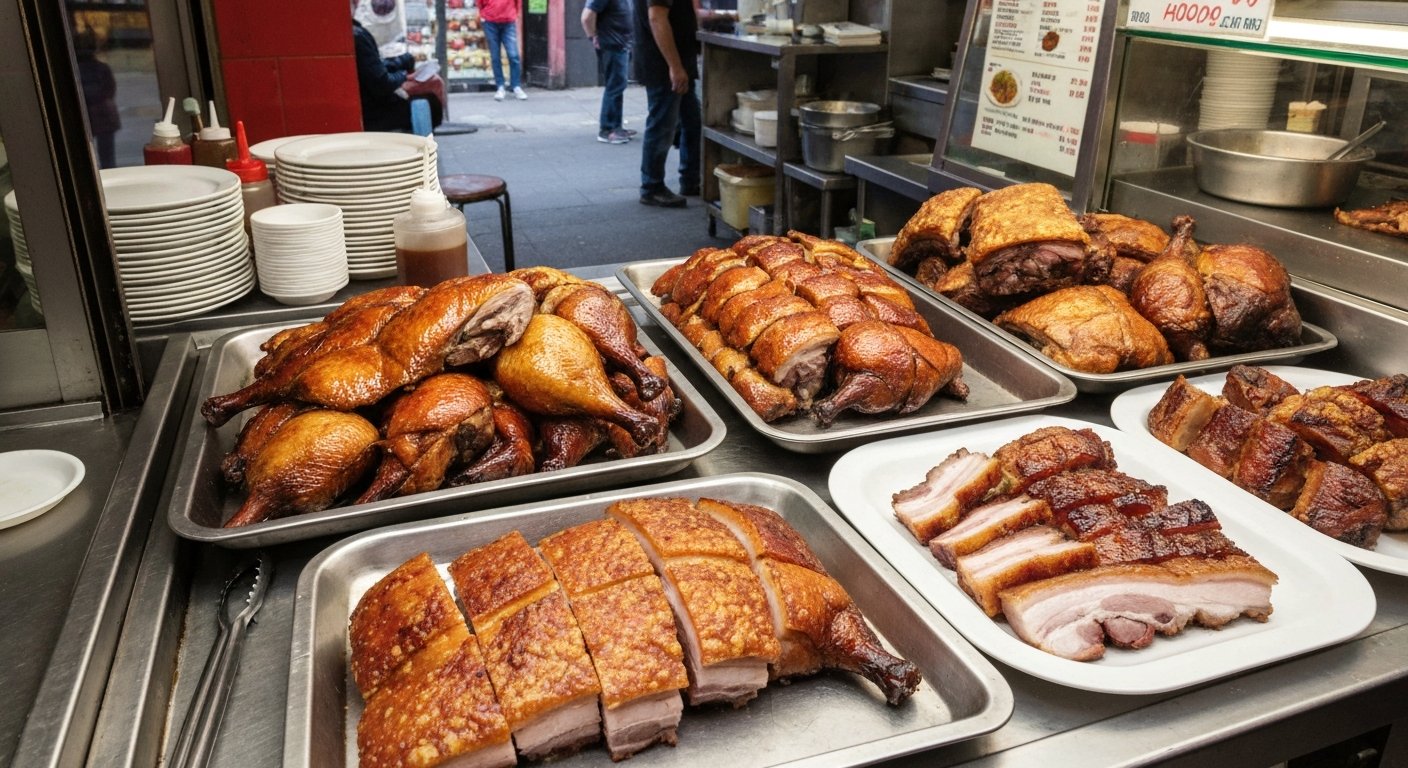
Eating in Chinatown means choosing between eras, though the smart move is to do both in the same afternoon. Start old-school at Chinatown BBQ on East Pender, a small counter-and-tables room turning out lacquered roast duck, crispy pork belly and char siu by the pound, plus a curry beef brisket that regulars swear by. Plates land around CAD 10–15, which still feels like a small mercy in a city that can be hard on the lunch budget. The meat is the point here: properly moist under crackling skin, the kind of thing that makes you stop talking for a minute and just eat.
A few steps away, New Town Bakery has been here since 1980, and it wears its age well. The apple tarts are award-winning, but it is the fist-sized steamed siopao buns that stay in the memory, a reminder of the bakery’s Chinese-Filipino roots and the way Chinatown has always been more than one story. You can come in for one bun and leave with a box, which is usually how it goes.
For a big, cheap, brilliant meal, Phnom Penh on East Georgia is the institution. It has been open since 1985, carries a Michelin Bib Gourmand, and takes no reservations, so the line tends to appear the moment it opens. The butter-garlic-pepper fried chicken wings are the thing people talk about, and for good reason: they arrive hot, fragrant and gone too quickly. The lemongrass beef is another anchor, the sort of dish that makes a restaurant feel like a habit rather than a recommendation.
The modern wave holds its own. Bao Bei on Keefer has been sharpening Taiwanese and Shanghai cooking for more than fifteen years, with shao bing flatbread and cumin lamb, Sichuan chicken and house dumplings, all backed by a serious cocktail list. It is one of those rooms that understands pace: enough energy to feel alive, enough restraint to let the food speak. Upstairs on Pender, Kissa Tanto goes the other way entirely, with a Michelin star and a room styled after a 1960s Tokyo jazz café. The hand-cut tajarin and the whole fried fish are the signatures, and the whole place asks you to slow down and stay a while.
For something fast and casual, Fat Mao Noodles on East Georgia does Thai-leaning bowls of braised duck and khao soi curry noodles, while Juke Fried Chicken on Keefer fries a gluten-free bird and smokes Southern-style ribs. Chinatown is full of restaurants that could swallow a whole evening, but it is also good at the quick, satisfying stop: a bowl, a box, a plate, a counter, then back out into the street.
Going out
After dark, Chinatown punches far above its size. The Keefer Bar on Keefer is the anchor: dark, low-lit, apothecary-themed, and repeatedly ranked among Canada’s and North America’s best bars. Its cocktails lean on fresh herbs, bitters and Chinese-medicine ingredients, and the Sweet & Sour — gin, scotch, pineapple and red pepper under a ketchup-chip garnish — is the kind of house drink that tells you exactly where you are. There is dim sum and Chinese churros to soak it up, which helps, because this is not a place to rush.
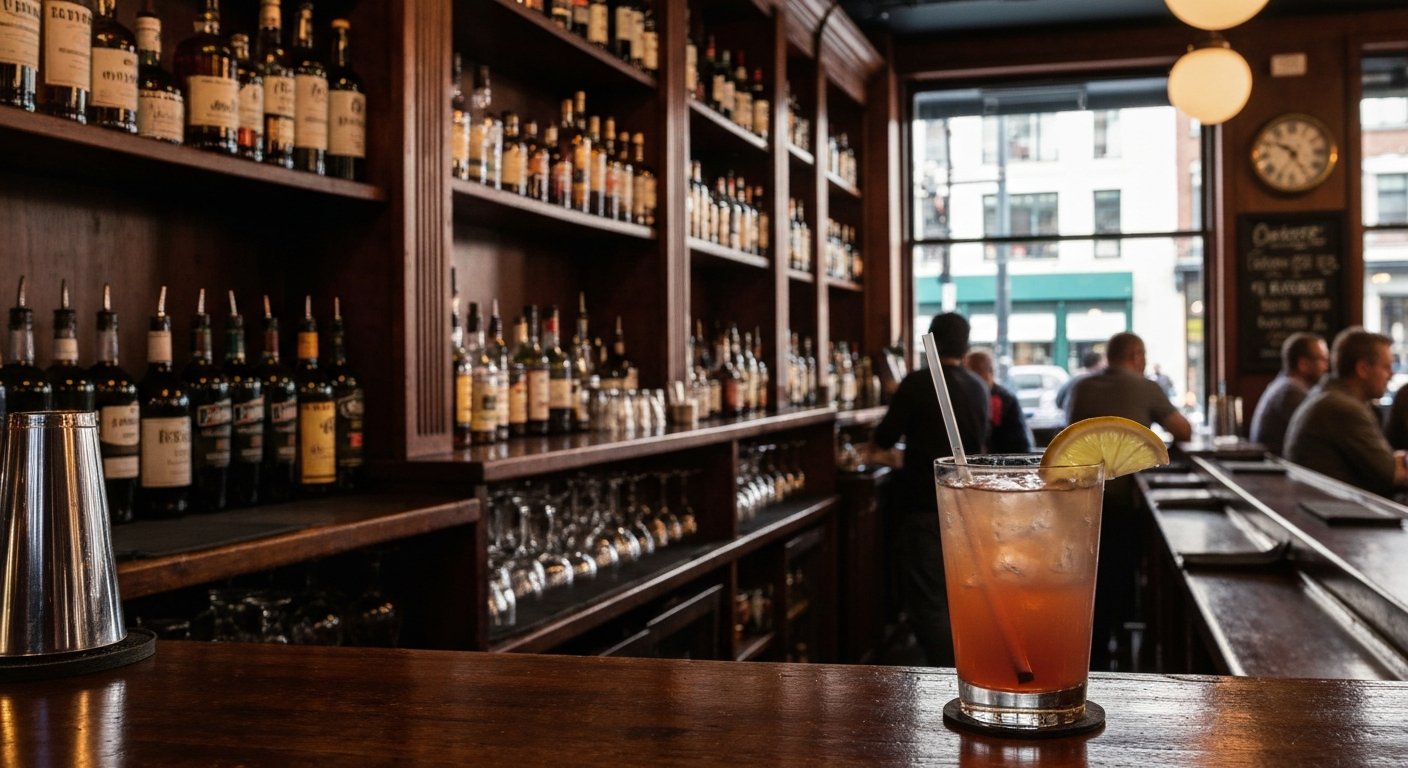
The best trick in the neighbourhood is Laowai, a 1920s-Shanghai speakeasy hidden behind Blnd Tger, a genuine dumpling shop. You order the right number off the counter and a freezer door opens onto peacock teal and gold, plus Canada’s largest baijiu selection — more than 50 bottlings — poured neat, in flights or in wildly inventive cocktails. It is a bit theatrical, sure, but the room has enough confidence to carry it off.
Nearby, Meo brings 1970s Hong Kong glamour with disco touches and drinks like the Espresso Carrotini, while The Chickadee Room above Juke leans 1980s-retro with neon and late-night fried chicken. For a different kind of night altogether, Fortune Sound Club on East Pender is Chinatown’s serious dance floor, set in the old Ming’s space and built around a rare Funktion-One rig for house, techno and drum & bass. If you want volume rather than craft, this is where you go.
Things to do
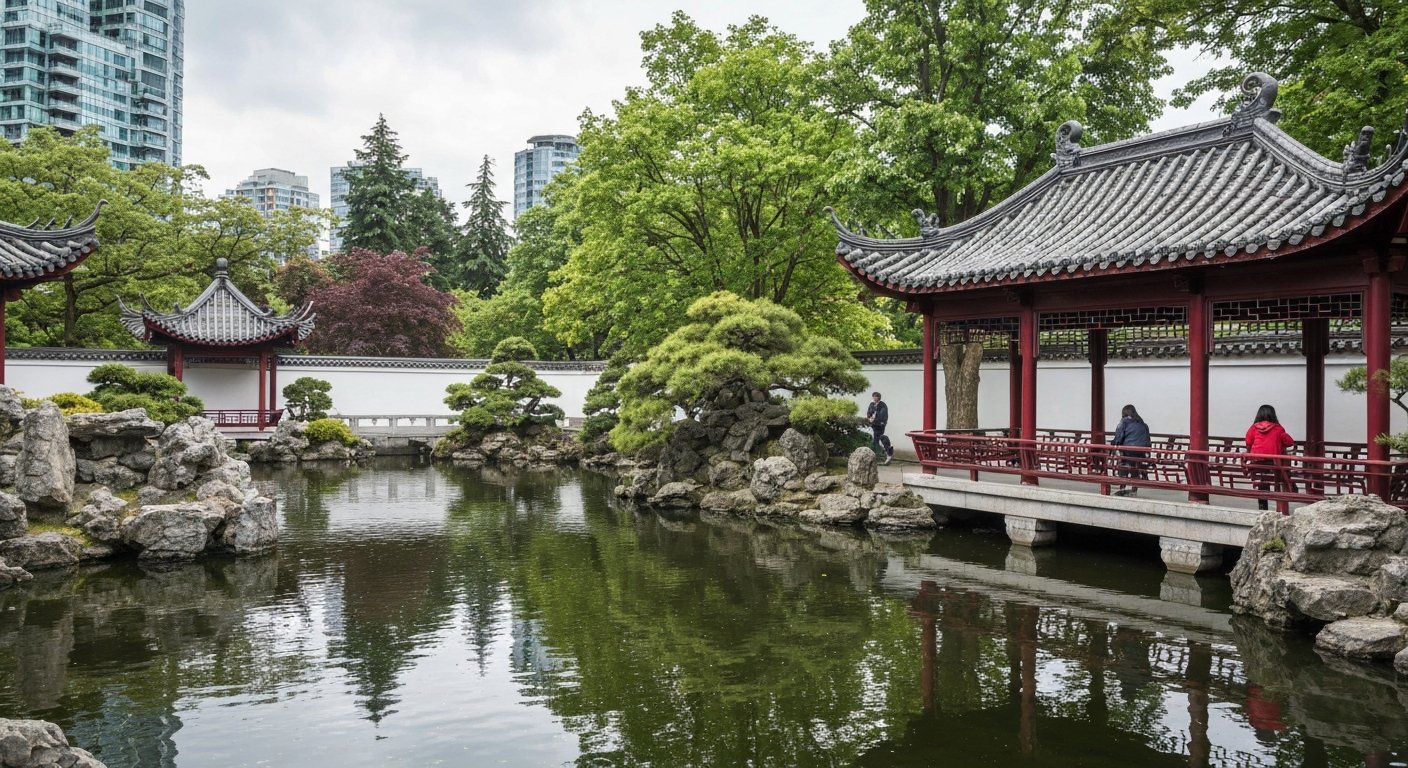
Chinatown is best approached as a slow loop, not a checklist. Start at the Millennium Gate, drift east along Pender, cut down Carrall, and let the district show itself in layers. Give the Dr. Sun Yat-Sen Classical Chinese Garden an unhurried hour. Take the included guided walk and listen to how every rock, pond and pavilion was placed, then step next door into the free public garden for a quieter, simpler pause. The contrast between the two spaces says something important about Chinatown itself: one is carefully composed, the other just open, and both matter.
The Sam Kee Building at Carrall and Pender is the obvious photo stop, but it is worth more than the photo. Stand there and think about a man turning a street-widening into a spite house that still exists more than a century later. That kind of stubbornness is the neighbourhood’s real architecture. So is the Chinese Freemasons Building and the clan-association halls with their recessed balconies; read the plaques, look up, and notice how much of the streetscape is in the upper storeys.
The Chinese Cultural Centre Museum on Columbia gives the necessary context. Its galleries cover the head tax, the men who built the Canadian Pacific Railway and the decades of exclusion, which is to say the labour and the loss that sit underneath the district’s beauty. Chinatown looks lively in daylight, but it is not a theme. It is a place with a history that still shapes the present.
If you want the story narrated rather than self-guided, small-group food-and-history walks thread the landmarks with dumpling and tea stops, running from a couple of hours to half a day. And if you time your visit for warm weather, you may catch the summer Chinatown Festival or a night-market pop-up on the Keefer blocks, when lion dancers, food stalls and vendors fill the streets.
Don’t miss in Chinatown
Dr. Sun Yat-Sen Classical Chinese Garden, a peaceful Ming Dynasty-style garden.
The Wing Sang Building, the oldest structure in Chinatown, now housing a contemporary art museum.
Traditional bakeries selling barbecue pork buns and egg tarts.
Shopping & markets
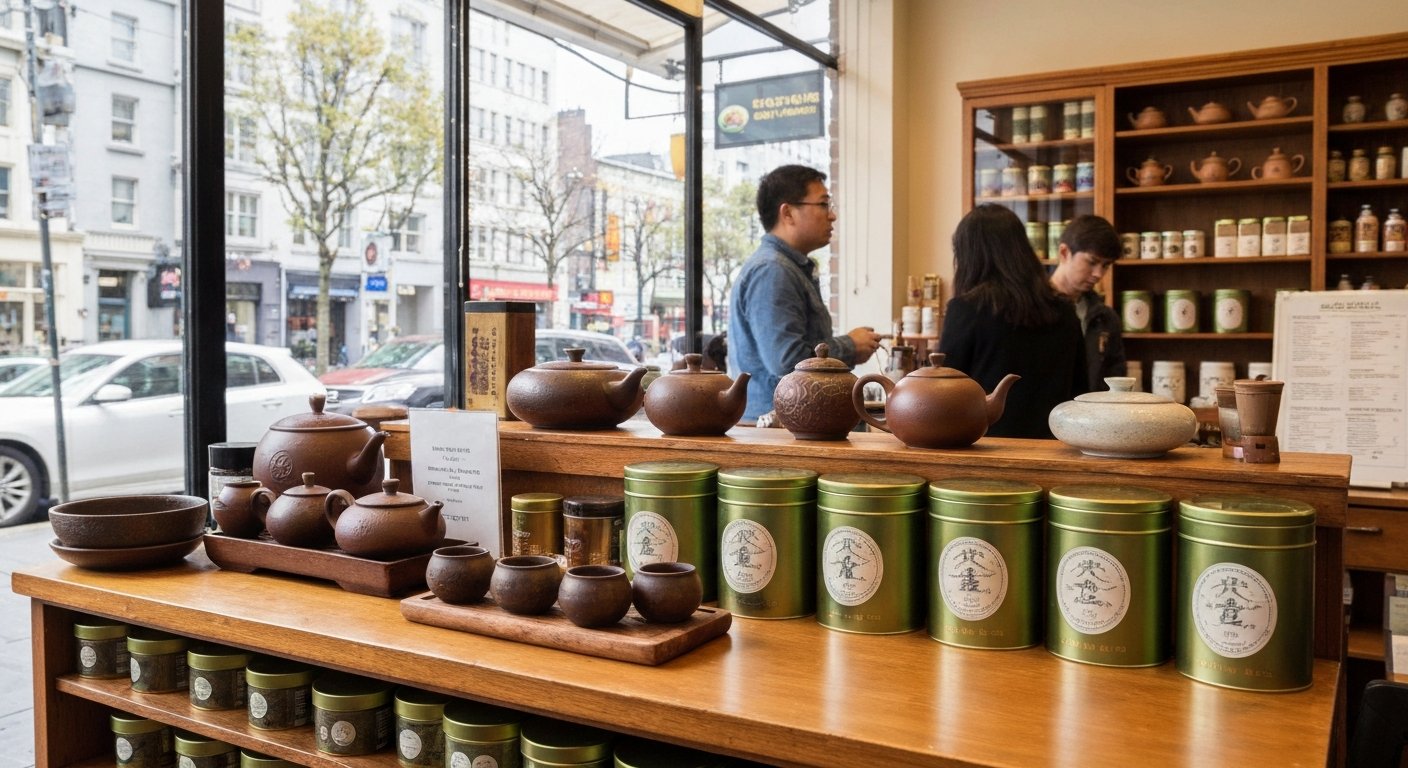
Shopping here is specialist and old-world, and half the pleasure is the ritual of being served. Treasure Green Tea Company on East Georgia has been open since 1981 and is now run by second-generation tea master Olivia Chan. It is the place to taste and buy loose-leaf oolong, pu-erh and green teas, along with proper Yixing clay teaware. Sit for a tasting rather than grab and go. That is the rhythm of the place, and it rewards patience.
The traditional apothecaries still line Pender, their walls of small wooden drawers holding dried herbs, roots, mushrooms and tonics. Even if you are not buying, the herbalists’ shops are a sensory experience and a window into a living Chinese-medicine trade. Beyond tea and herbs, poke into the import and dry-goods stores for Chinese ceramics, cookware, calligraphy supplies, paper lanterns and antique furniture. The stock is genuinely used by the local community, not staged for tourists, which gives the browsing a different kind of pleasure.
This is not a fashion strip. It is a browse-and-graze kind of retail neighbourhood, the sort of place where you wander in for one thing and leave with tea, a teapot or a jar of something you cannot quite name. Several of the smaller shops keep short or irregular hours and close early, so late morning to mid-afternoon is the sweet spot.
Where to stay in Chinatown
Chinatown has very little dedicated accommodation, and that is worth saying plainly. It is a district of heritage commercial and society buildings, not hotels, so most visitors sleep in nearby Gastown or downtown and walk over in five to ten minutes. That is usually the better move anyway. You get downtown’s hotel stock and a safer, easier night base, then Chinatown, Gastown and the waterfront all on foot.
If you do want to be right in the fabric, the handful of stays and short-term rentals around the Keefer and Pender blocks put you close to the bars and kitchens, but be clear-eyed about the northern edge, which borders the Downtown Eastside and quietens quickly after dinner. Keep your bearings toward the Carrall–Pender–Keefer core rather than up near Hastings. That is where the district feels most rewarding, and where you are most likely to want to linger.
Hotels in Chinatown
Our best-rated stays in this neighbourhood. Prices are approximate “from” rates — confirmed at the provider when you continue. We may earn a commission if you book through our partners — at no extra cost to you.
In this area In this area
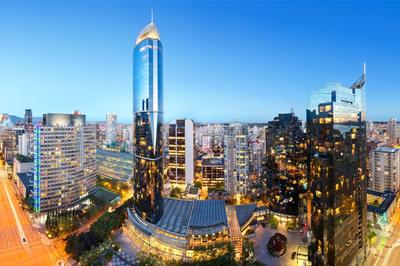 In this area
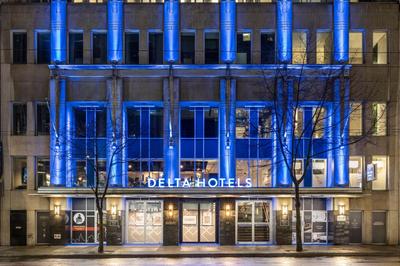 In this area
Chinatown
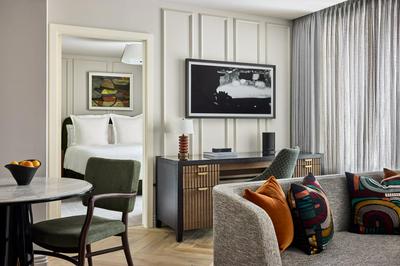
Delta Hotels by Marriott Vancouver Downtown Suites - Downtown Vancouver
8.8· 816 reviews
approx. from£406 / nightSee prices
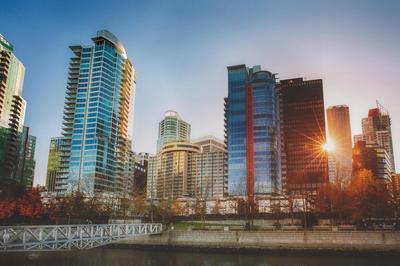 In this area
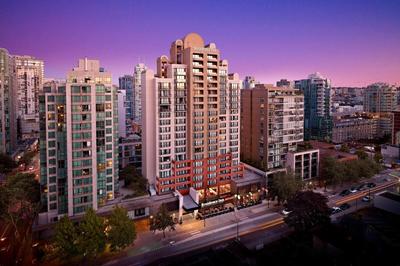 In this area
Chinatown
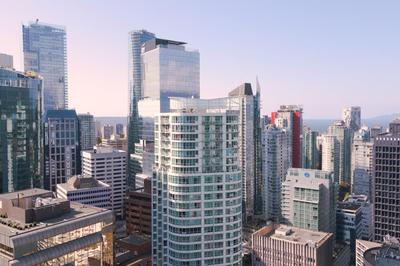
Residence Inn by Marriott Vancouver Downtown
9.0· 1,675 reviews
approx. from£317 / nightSee prices
 In this area
 In this area
Chinatown
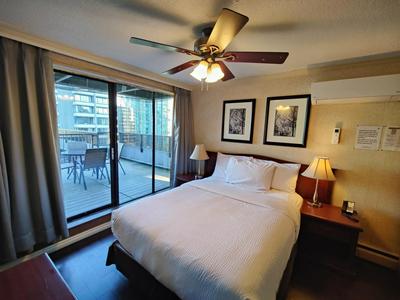
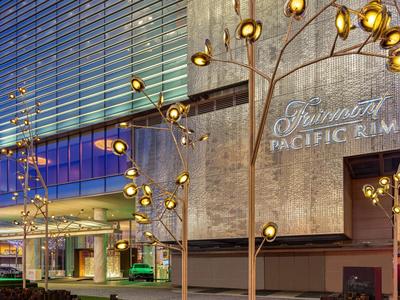
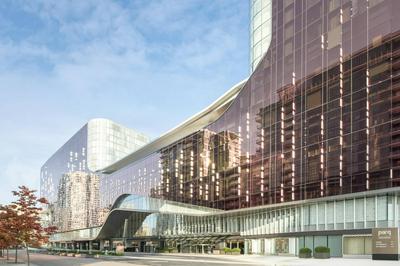
Vancouver Marriott Pinnacle Downtown Hotel
8.8· 900 reviews
approx. from£3,075 / nightSee prices
 In this area
 In this area
 In this area
Getting around
Chinatown is small and flat, and you can cover the whole grid on foot in twenty minutes. The nearest rail is Stadium–Chinatown Station on the SkyTrain Expo Line, a five-minute walk from the Millennium Gate. From there, exit toward Expo Boulevard, head to Abbott Street and walk north to West Pender. It is the third stop east of Waterfront, so you are roughly ten minutes from the downtown core and cruise-terminal area by train, and a single one-zone fare runs about CAD 3.20, a little less with a Compass Card.
Plenty of buses run along Pender, Hastings and Main if you would rather not walk. From downtown hotels it is a five to ten minute drive or a flat 15-minute walk; Gastown is barely five minutes on foot via Pender. Street parking exists but fills up, so the International Village mall, with two hours free, or an Easy Park lot are the easier bets if you drive. For Vancouver International Airport, take the SkyTrain one stop west to Waterfront and change to the Canada Line, or ride it from Vancouver City Centre or Yaletown stations. It is roughly 30 to 40 minutes door to platform.
One practical note that doubles as a safety tip: when walking to or from Gastown, stick to Pender between Main and Carrall rather than cutting up to Main and Hastings. By day the core is busy, photogenic and rewarding; the district just asks for a bit of street awareness rather than nervousness, and repays anyone who treats it as a living community rather than a set.
Gallery
Chinatown in pictures
Chinatown — your questions
Is Chinatown a good area to stay in Vancouver?
It is a great area to eat, drink and explore, but a trickier one to sleep in. Chinatown has almost no hotels, and its northern edge borders the Downtown Eastside, so most visitors stay in neighbouring Gastown or downtown and walk over in five to ten minutes. That gives you the district’s barbecue, dumplings and top-tier bars by day plus an easier bed at night.
Is Vancouver’s Chinatown safe?
By day the core around Pender, Keefer, Carrall and the garden is busy, photogenic and fine to walk. The honest caveat is the northern boundary, which runs up against the Downtown Eastside, where visible poverty and addiction are part of daily life. Visit in daylight, keep normal city awareness, and when walking to Gastown use Pender between Main and Carrall rather than the Main-and-Hastings intersection.
Where’s the best food in Vancouver’s Chinatown?
For old-school Cantonese barbecue go to Chinatown BBQ on East Pender; for a cheap, legendary feast it’s Phnom Penh’s fried chicken wings on East Georgia; and for a bakery classic, New Town’s apple tarts and steamed buns. On the modern side, Bao Bei does sharp Taiwanese-Shanghai small plates and Kissa Tanto holds a Michelin star for Japanese-Italian cooking.
How long do I need in Chinatown?
A good first visit is half a day. That gives you time for the garden, a slow walk along Pender and Carrall, one or two heritage stops, tea or barbecue, and maybe a cocktail before heading back downtown.