The Vancouver issue
How Vancouver Became a Sushi City
From a Michelin-starred counter to the homegrown flame-seared oshi that spread across a continent, here is how a rainy Pacific port turned into one of the world's great sushi cities — and where to sit down in 2026.

By Robin de VriesVancouver, one neighbourhood at a time
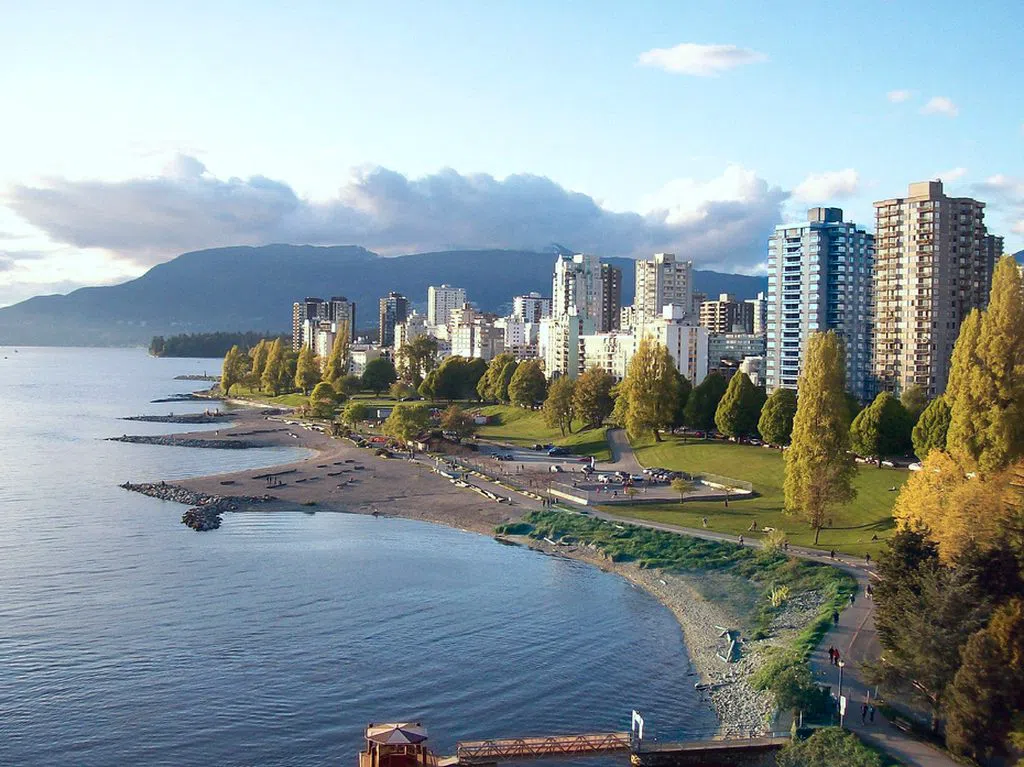
Vancouver sits on the 49th parallel with the cold, clean Pacific running past its harbour, and over four decades that geography quietly turned into a cuisine. The city now holds a Michelin-starred sushi counter, a homegrown style of flame-seared sushi that spread across the continent, and a hand-roll boom filling narrow rooms from downtown to Main Street. This is the story of how a rainy west-coast port became, without much fuss, one of the best places to eat sushi outside Japan — and exactly where to sit down when you visit in 2026.
Where it started
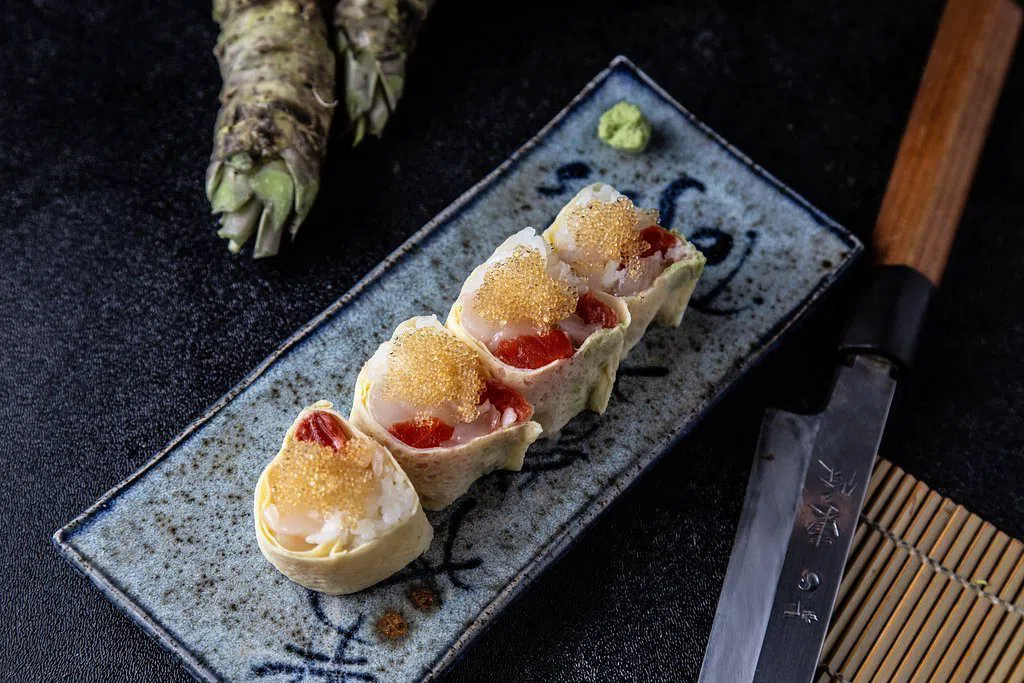
Every sushi city has an origin, and Vancouver's stands behind a counter on West Broadway. Tojo's (South Cambie / West Broadway) is run by the chef widely credited with inventing the California roll and with bringing the word omakase to this side of the Pacific in the 1980s. Forty years on, he is still there most nights. Unlike almost every other room on this list, Tojo's is a full restaurant — proper tables as well as bar stools — so it comfortably takes groups and something close to private dining. Expect $$$$, whether you order a la carte or hand yourself over to the omakase. Reserve ahead; this is history you can still taste, not a museum. It is a ten-minute taxi or a short bus ride south of downtown, and worth the small detour.
Plan your Vancouver trip
Live prices from our booking partners.
Free cancellation on many rooms. We may earn a commission when you book.
The pinnacle: omakase you plan the trip around
Vancouver's top counters are tiny, expensive, and genuinely world-class — and because they seat so few people, they book out weeks ahead. Treat these as fixed points you build the rest of your days around.
The hardest table in the city is Sushi Hyun Omakase (west side). Six to eight seats, a single seating per night, fish flown in from Toyosu market: it took Vancouver Magazine's 2026 gold award for omakase and an Air Canada best-new-restaurant nod, and it is currently the city's pinnacle. There are no real group bookings — solo diners and pairs only — and reservations open and vanish fast, so set a reminder for the day they release and expect $200-plus per person.
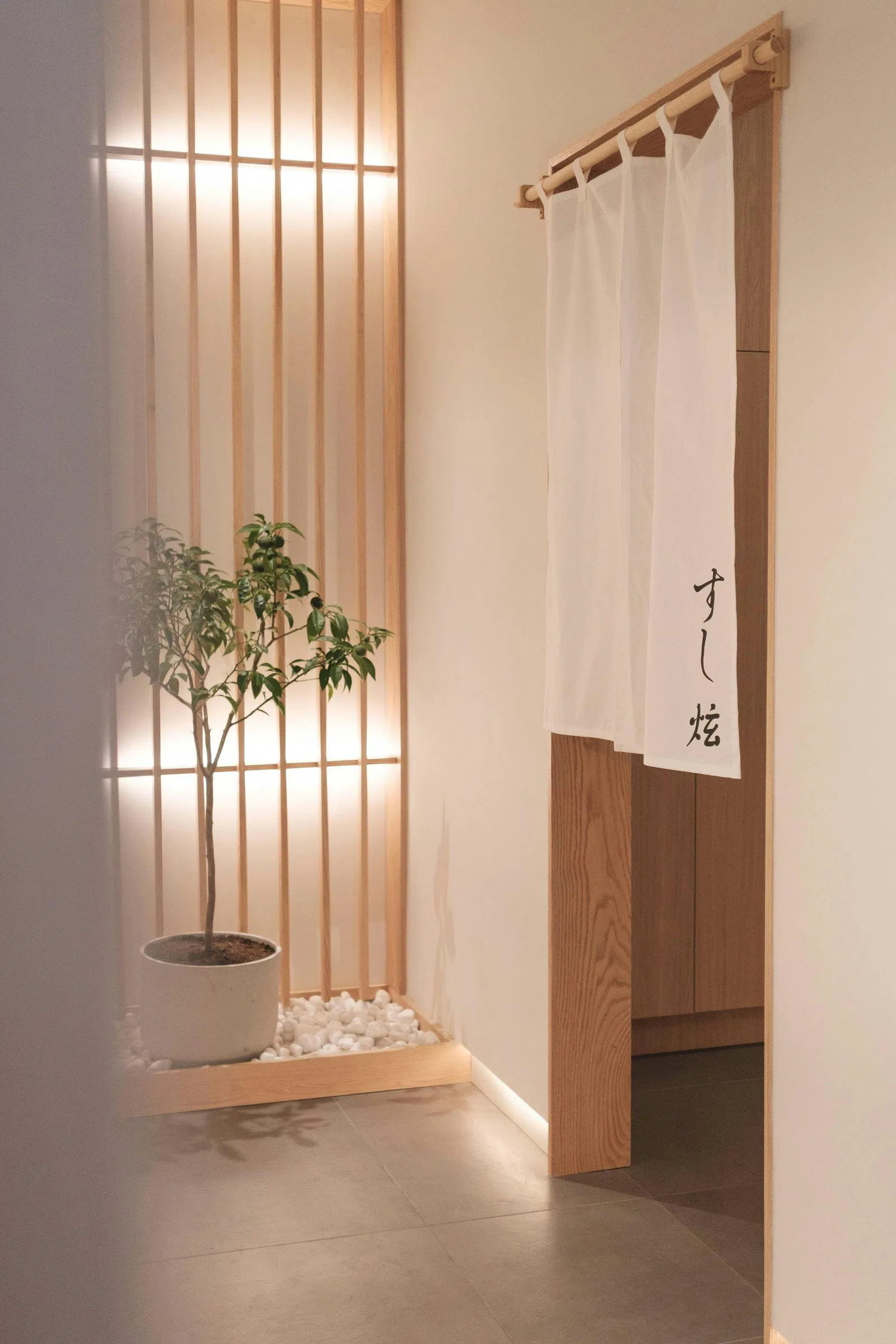
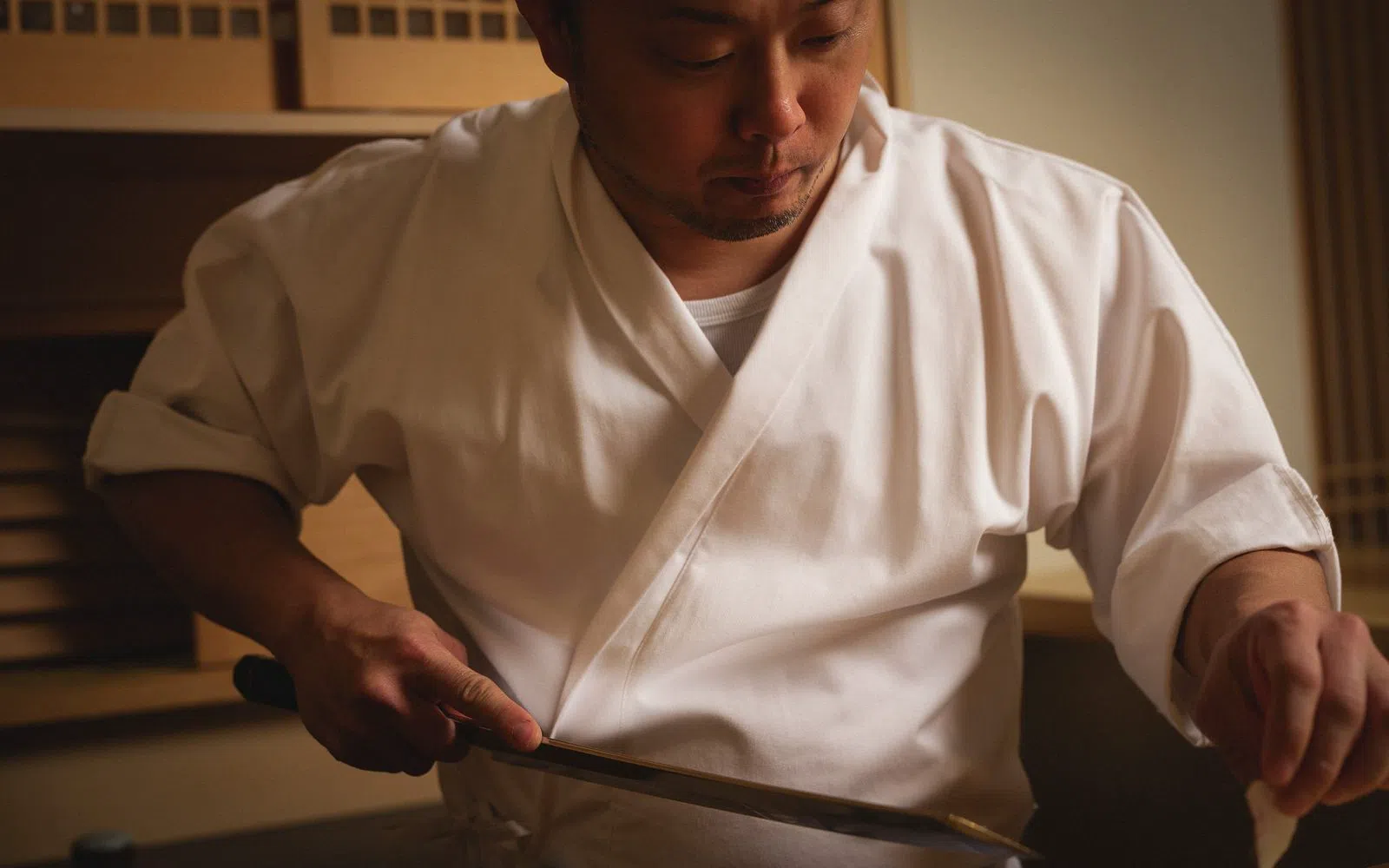
For the benchmark Edomae experience, cross town to Masayoshi (Fraserhood), about fifteen minutes south by car. It is Vancouver's only Michelin-starred sushi counter and the room most chefs name when asked where they eat. The omakase runs around $180 and up, the counter suits one to four, and it is not a large-group venue. The Fraserhood location keeps it a touch quieter than the downtown rooms — plan the trek and don't be late.
The warmest of the fine counters is Sushi Bar Maumi (West End). Michelin-listed, it seats a maximum of four per booking with no split reservations, so it is for couples and very small groups only. The nigiri omakase starts around $135 and unspools slowly over about two and a half hours; the trade-off for that intimacy is strict late and cancellation fees, so confirm your plans before you book.
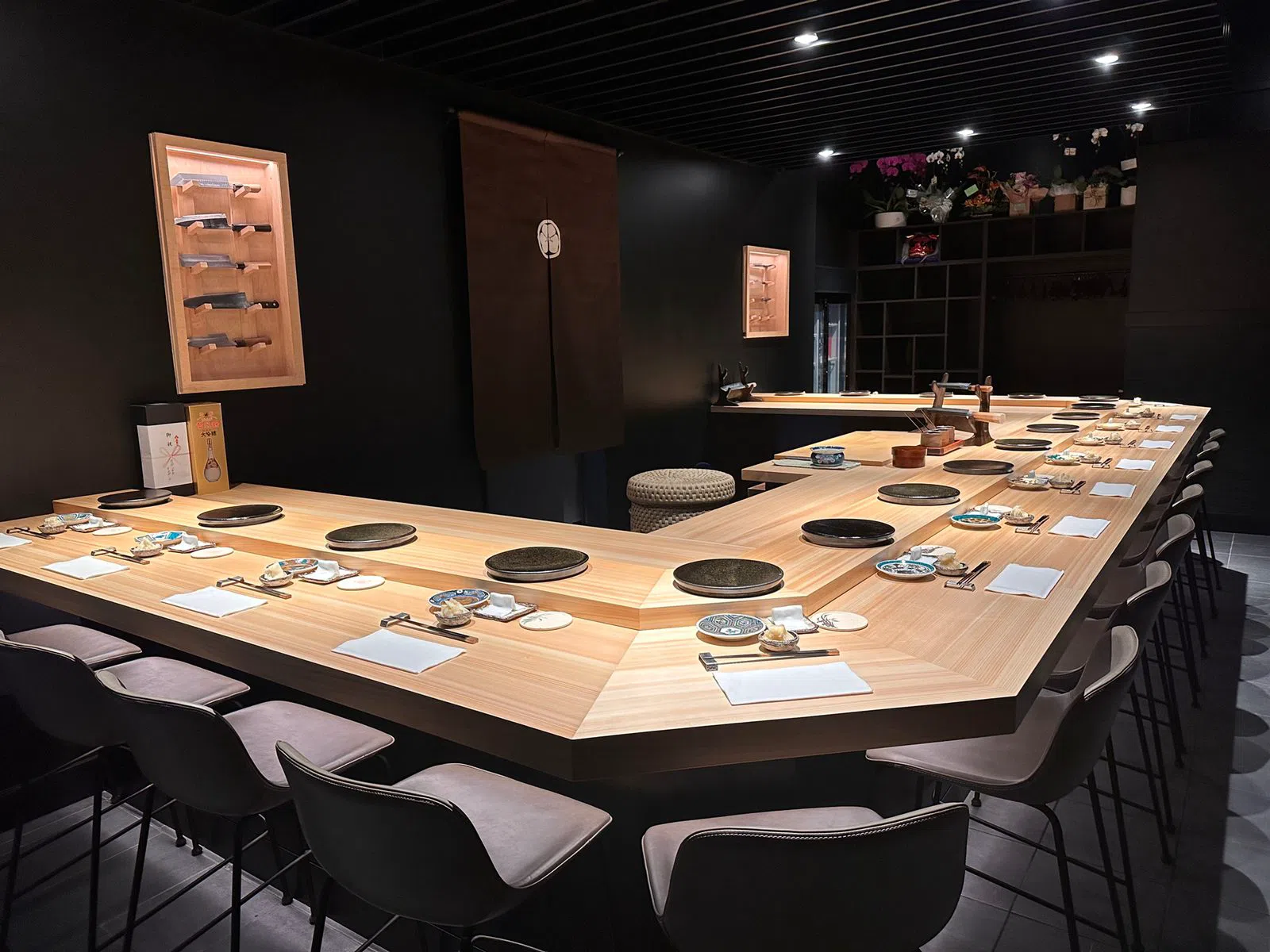
If those three are fully committed — and often they are — Tetsu Sushi Bar (downtown) is the smart move. It has held a Michelin recommendation since 2017, sits within walking distance of the main downtown hotels, and is a genuinely more attainable booking while still operating at the top tier. Counter-focused omakase, best for one to four, $$$ to $$$$. It is the omakase I would send a first-time visitor to when the marquee names are gone.
Theatre, occasion, and a big night out
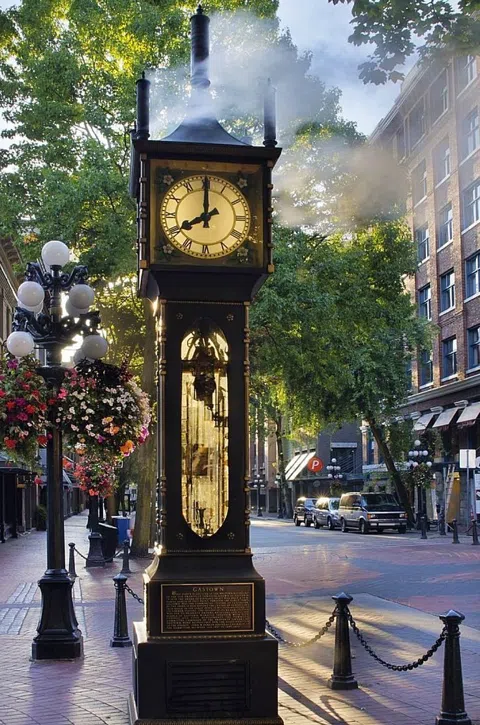
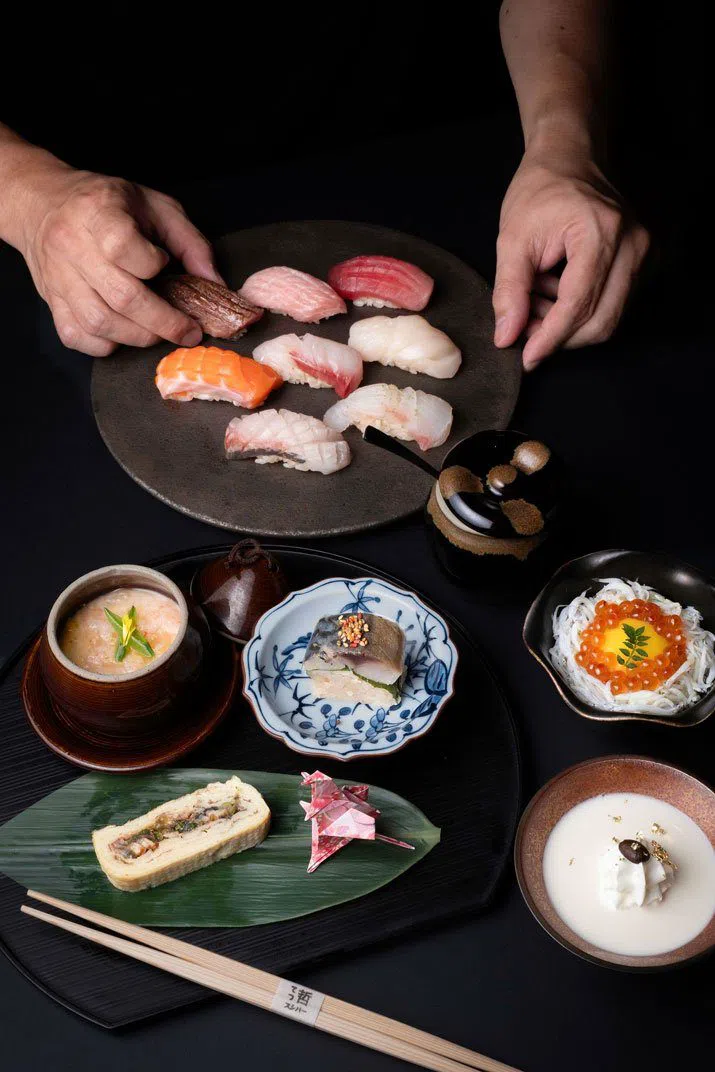
Some meals are about the fish; some are about the room. Okeya Kyujiro (Gastown) is the latter without sacrificing the former — a seated, multi-course, kaiseki-style omakase run as whole-room theatre, and Vancouver Magazine's 2026 bronze. The drama is real, but so is the cooking. Crucially for travellers dining in a group, it works for a celebratory small party in a way the single-file counters cannot; book well ahead, arrive ready for spectacle, and expect a premium fixed price. This is the one to choose for a birthday or an anniversary when you want everyone at the table to remember it.
Aburi: the style Vancouver gave the world
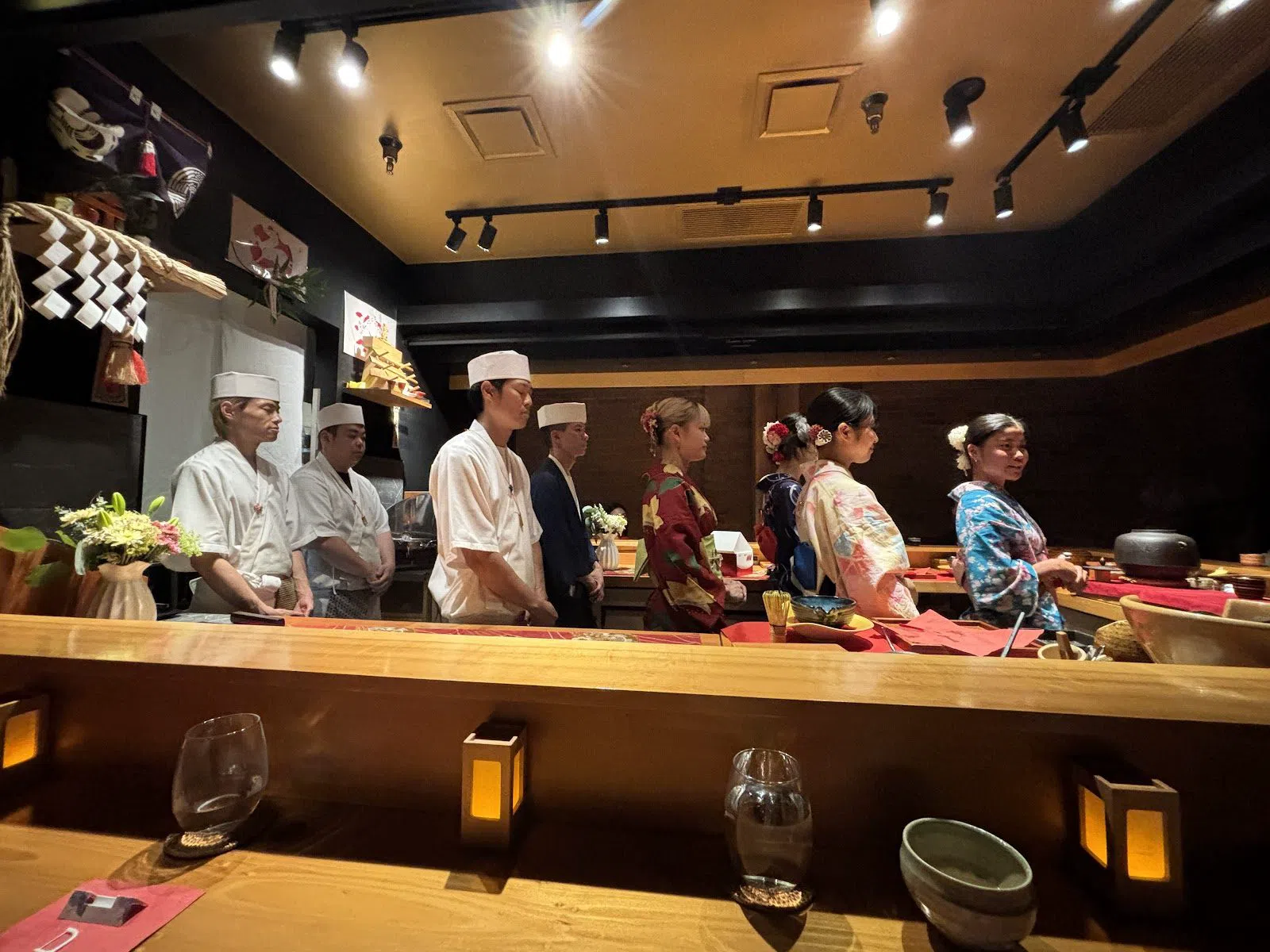
Here is the twist that makes Vancouver a sushi city on its own terms, not just a place that imports one. In 2008 a downtown kitchen here pioneered aburi — flame-seared, pressed oshi sushi finished with a blowtorch — and the technique spread from this coast outward. You should eat it where it was born.
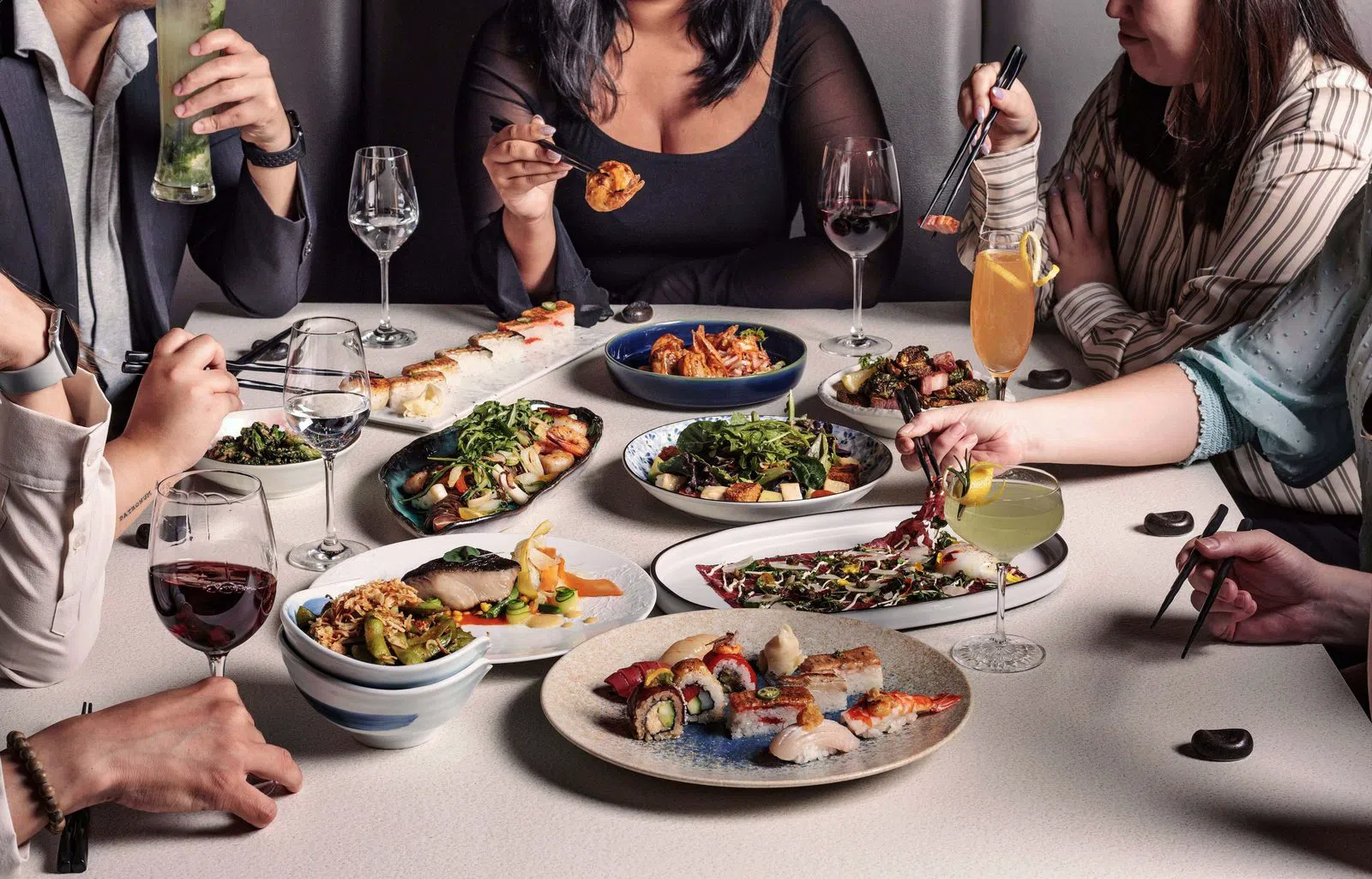
The flagship is Miku (Coal Harbour waterfront), a large, polished, glass-walled room built for groups and visitors, with a harbour-side patio and the capacity to take big bookings. Order the salmon oshi — it is the dish that started it all, and it is still the reason to come. Prices run $$$ to $$$$. Of everything on this list, Miku is the easiest to walk into with a mixed group of friends or family and the most forgiving if you are new to Japanese fine dining.
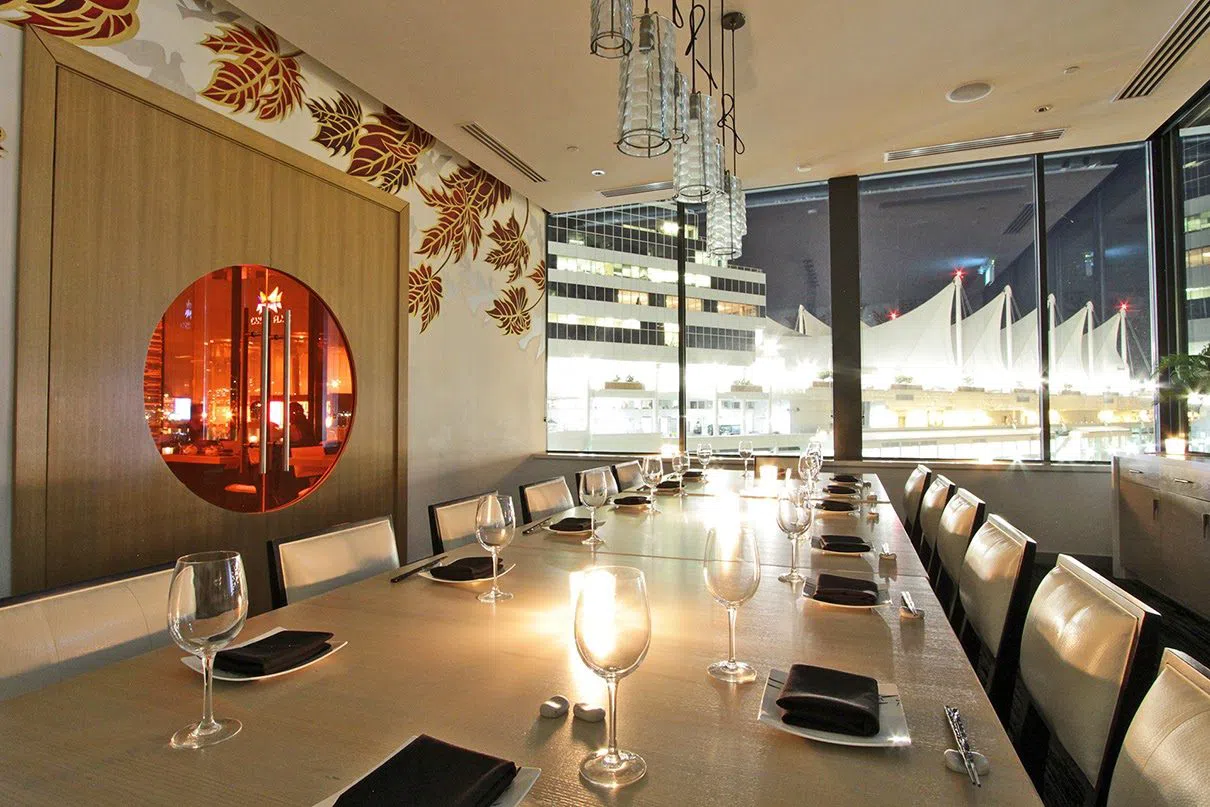
Its sibling Minami (Yaletown) belongs to the same Aburi group but is a distinct venue with a stronger bar program, and it is the answer to a specific question: what do you do when the party is genuinely large? Minami will half-buy-out its back room for up to about forty, do patio buyouts, and take a full buyout to around a hundred. If you are organising a group dinner and want aburi sushi plus proper cocktails, this is the most capable room in the city. It is a ten-minute walk from the downtown core.
The new wave: hand rolls and neighbourhood counters
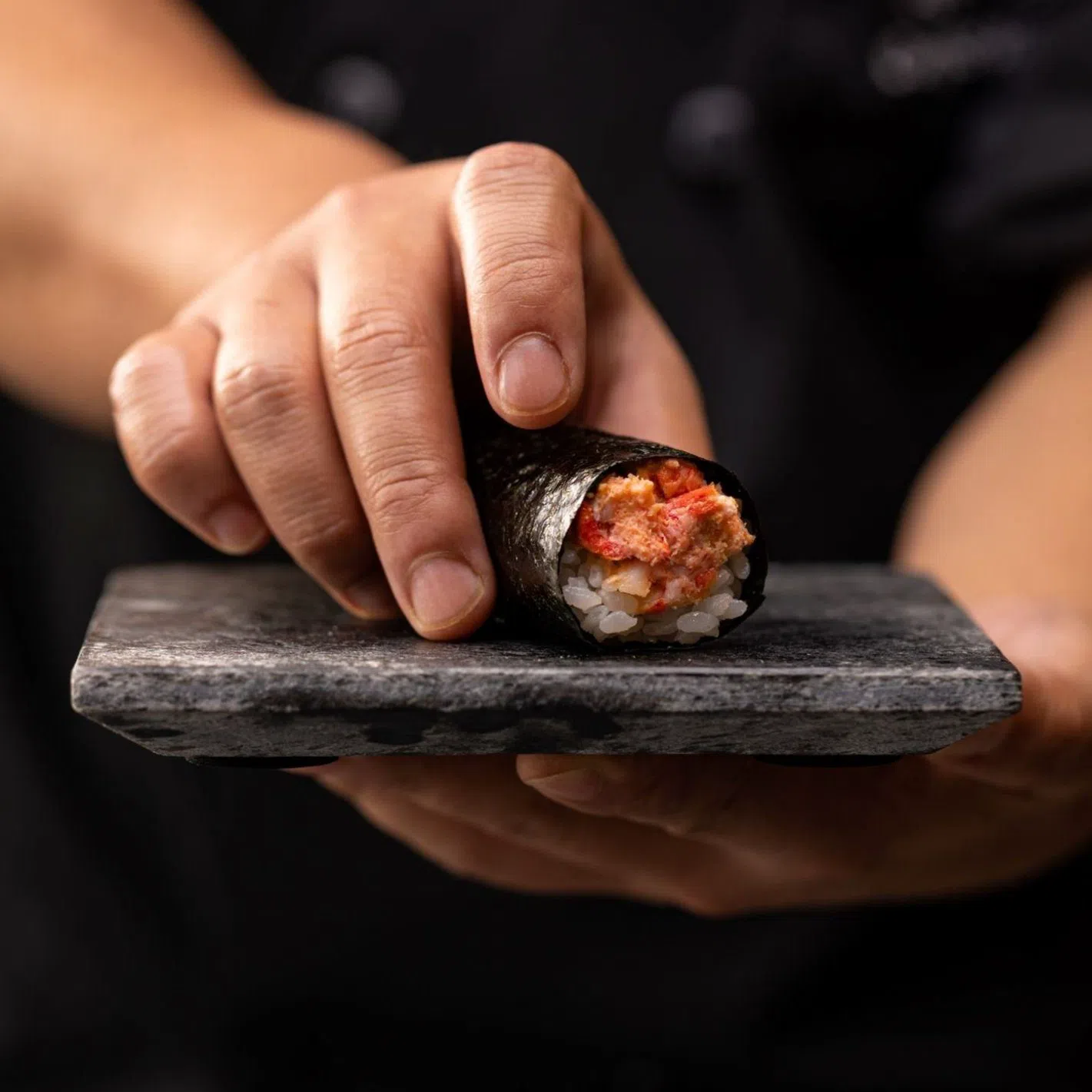
Not every good sushi night needs three hours and a mortgage. Vancouver's most energetic recent trend is the hand roll — warm rice, crisp nori, filled to order — and the format is perfect for travellers unsure they want to commit to full omakase.
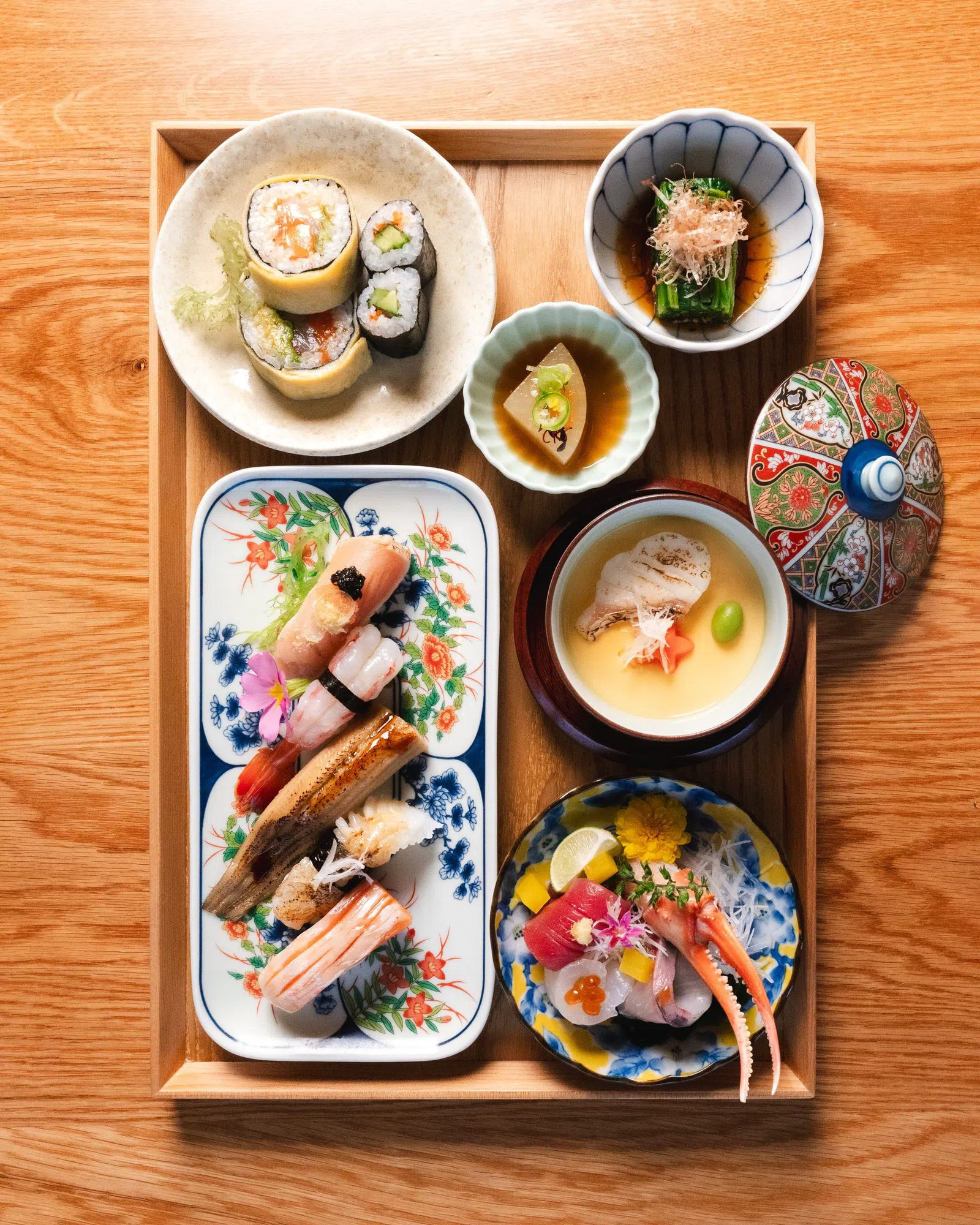
Start at Hello Nori (downtown), a temaki bar where you sit along a U-shaped counter and rolls arrive one at a time, made in front of you. It is casual, quicker than omakase, priced per roll or by set ($$ to $$$), and handles small groups of friends easily. For an international table nervous about a formal counter, it is the gentlest, most fun way in.
For a neighbourhood dinner with locals rather than tourists, ride the SkyTrain or drive ten minutes east to Kishimoto Japanese Kitchen (Commercial Drive), a Drive institution since 2011 that blends polished sushi with hot izakaya plates. It takes reservations for up to six — good for a small group, though the room is tight, so no big parties. It is the reliable mid-range choice that never feels like a trap.
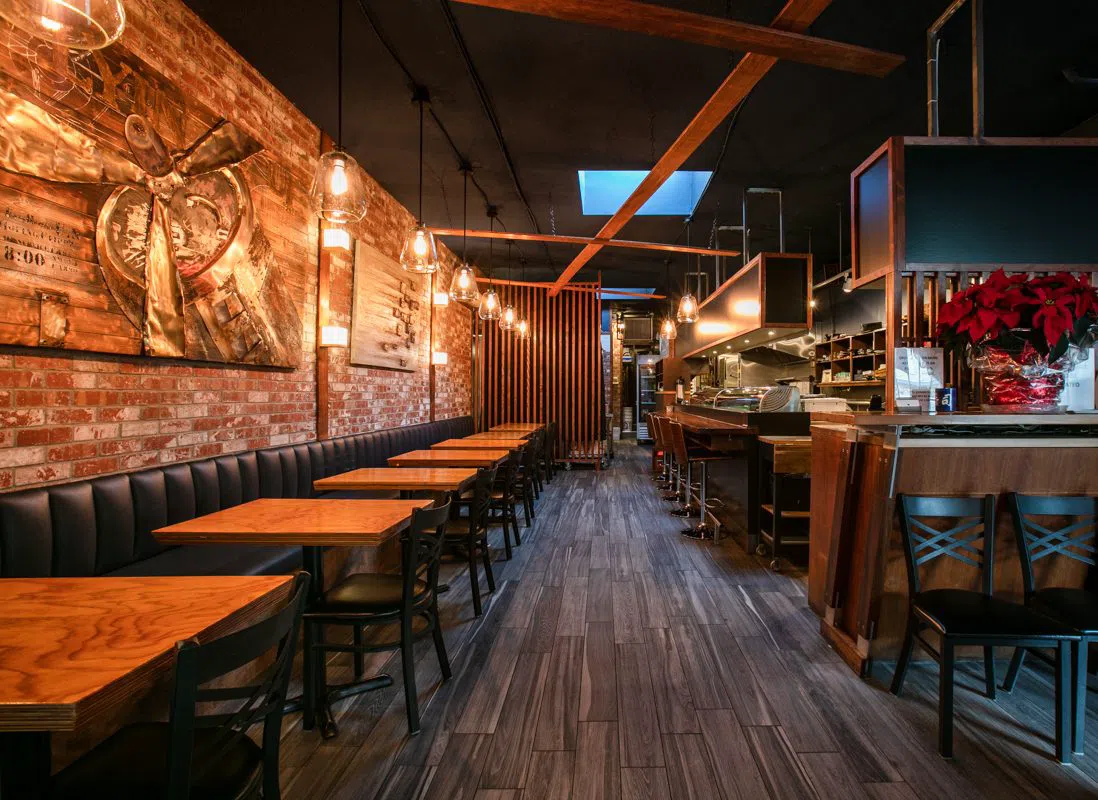
On the same wavelength but further south, Sushi Hil (Main Street) is a refined, minimalist room that bridges casual and omakase. Small dining room and bar, best for pairs and small groups, reservations advised, $$ to $$$. If you want real quality without the fine-dining bill, this is the pick — and Main Street around it is worth a wander before or after.
Value worth the queue
Vancouver's best-value sushi comes with a catch: you line up for it, and you cannot book. Come early and treat the wait as part of the deal.
Tom Sushi (downtown) is a cult value pick — walk-in only, no reservations, famously fresh nigiri at prices well below the downtown norm. Order the tobiko with quail egg. It suits a couple or a handful of friends who show up before the rush; it is not a place for a large party, and if you arrive at peak you will stand in line. $$, and worth it.
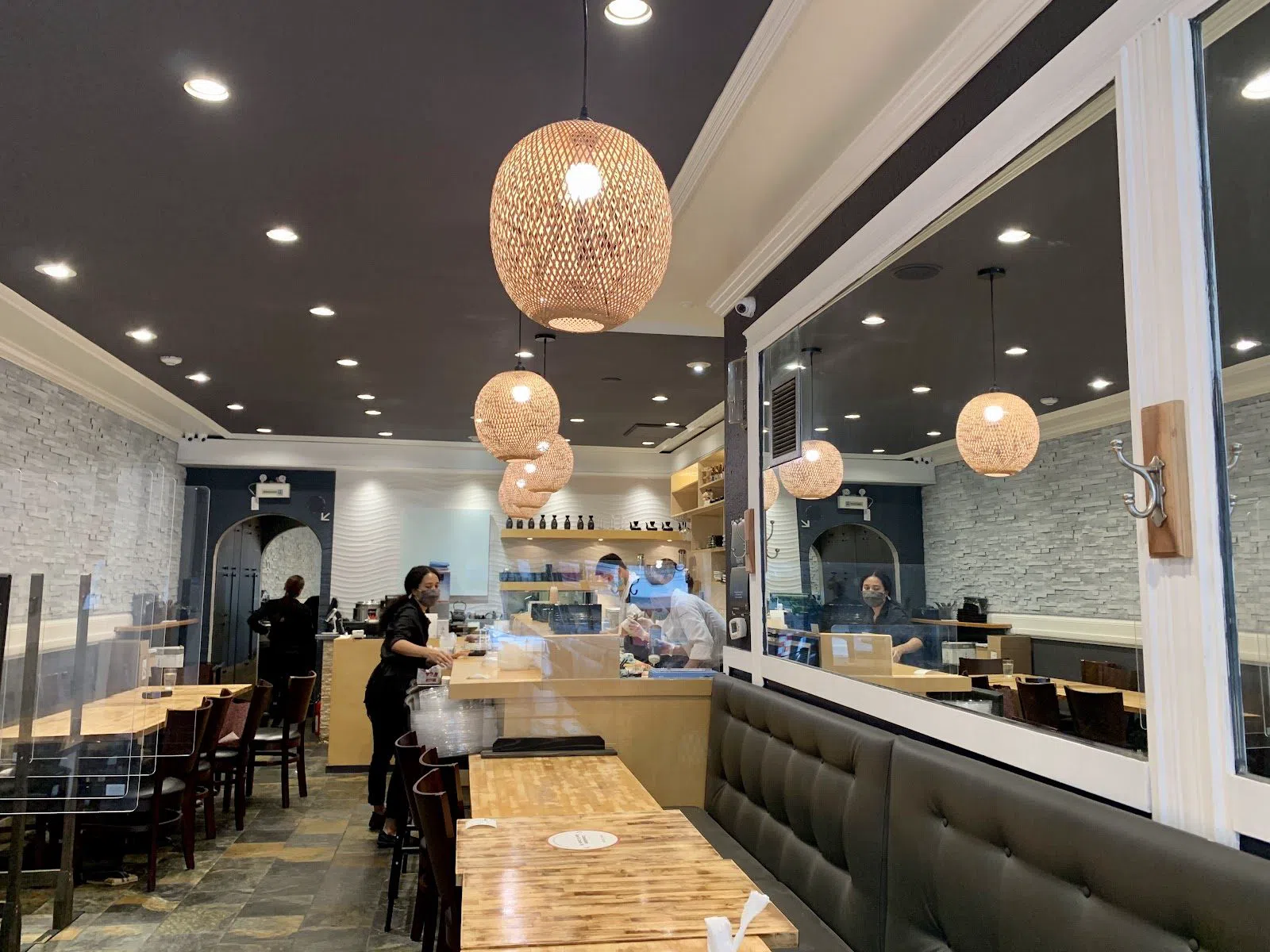
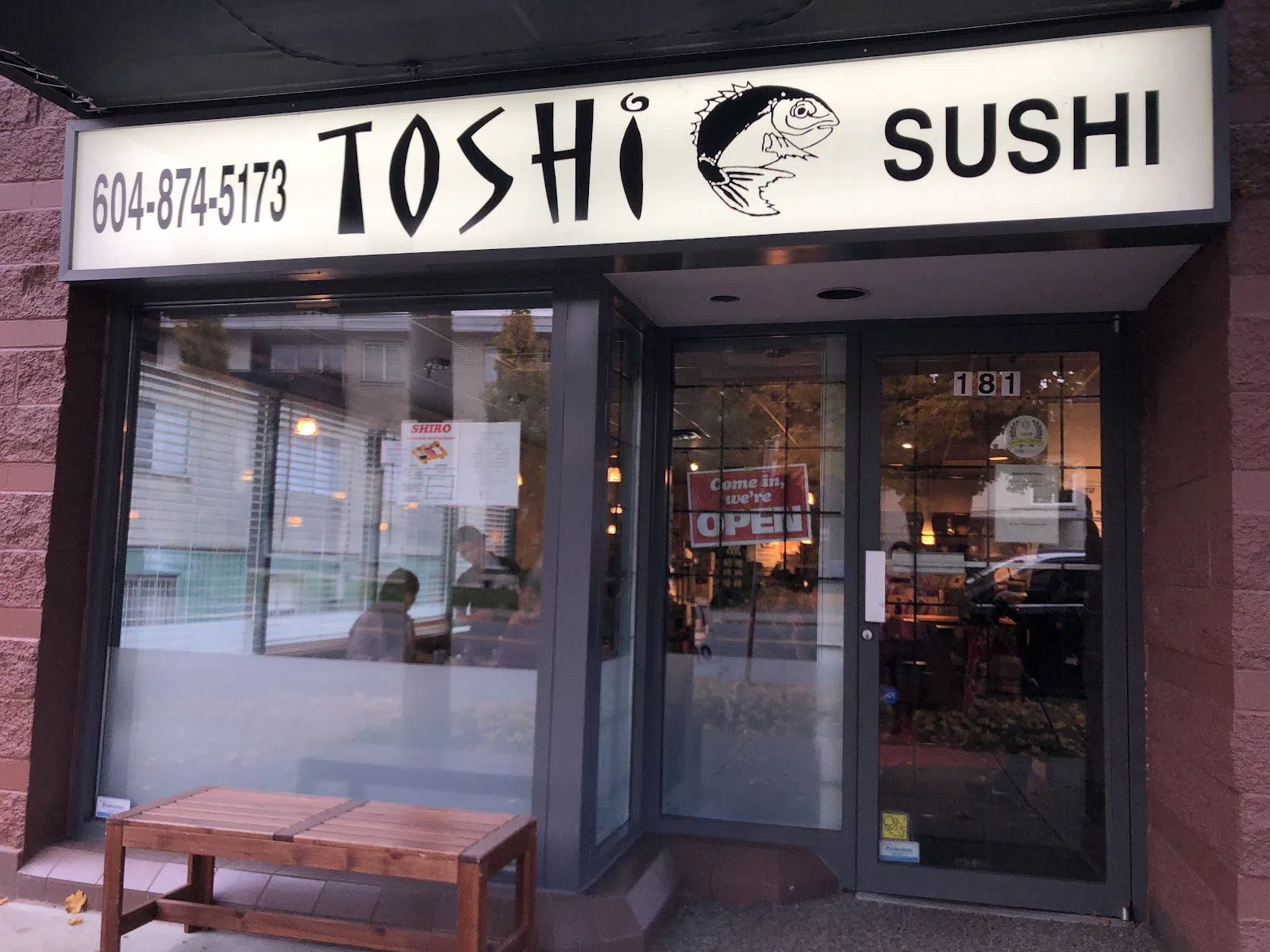
The same rules govern Toshi Sushi (Main Street), a long-running institution locals have queued outside for years. The room is tiny, it is walk-in or a short waitlist, and it is best for one to four — unglamorous, consistently excellent, and budget-friendly. Go at opening or be patient. I would only send you here knowing about the wait; forewarned, it is a bargain.
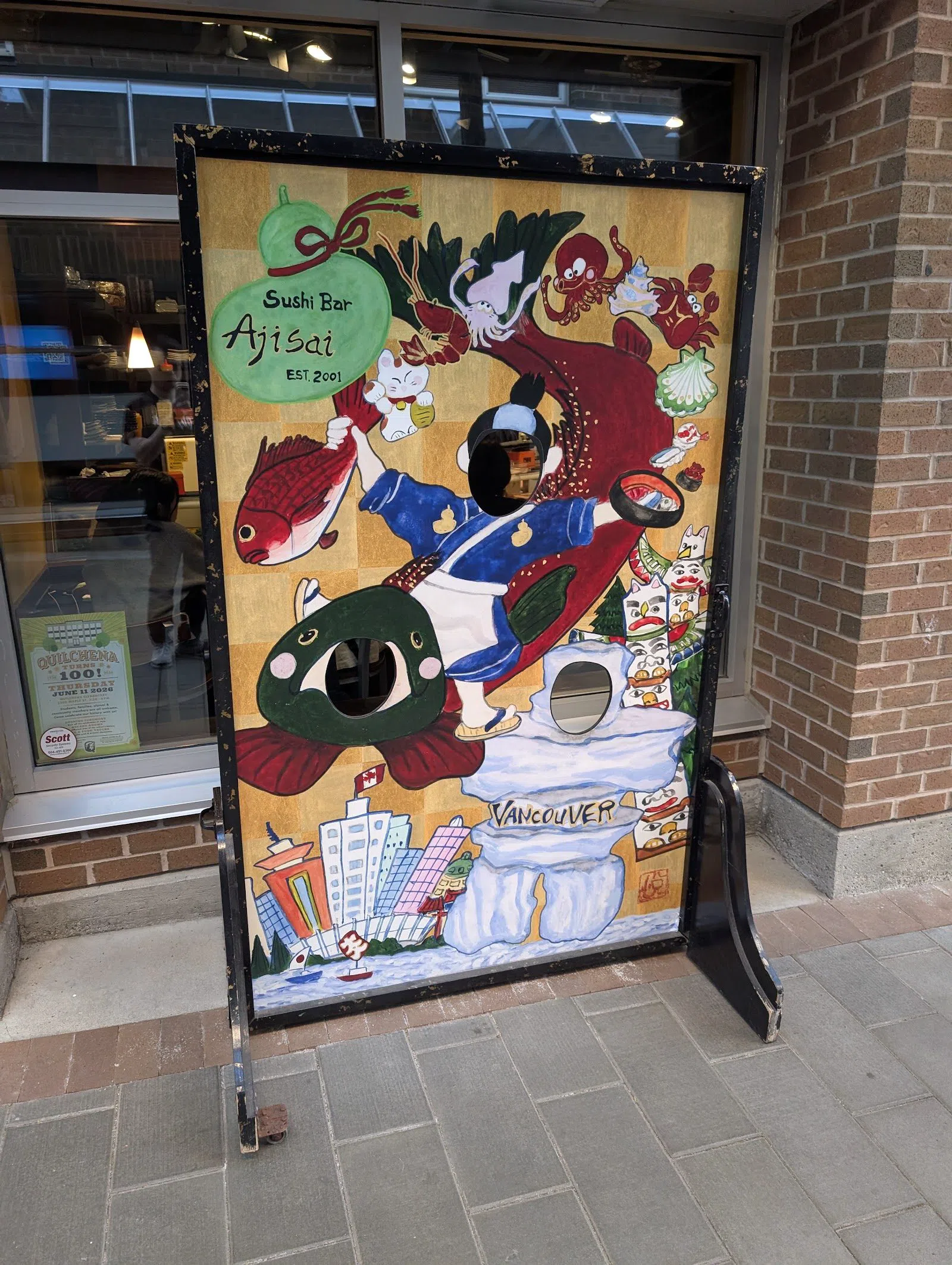
Finally, for a genuine local's evening away from the crowds, head to Ajisai Sushi Bar (Kerrisdale), about twenty minutes south-west of downtown. It is a small, long-standing neighbourhood favourite prized for authenticity and fair prices ($$ to $$$). It takes small parties but not large groups, and you should expect a wait at peak — the price of a room that regulars have kept to themselves for years.
Planning notes for 2026
Getting around. Everything here is reachable on public transport or a short taxi — no venue on this list needs a paid shuttle. Downtown holds the largest cluster (Tetsu, Hello Nori, Tom Sushi, Miku on the waterfront, Minami in Yaletown), all walkable from central hotels. The SkyTrain and frequent buses cover Commercial Drive (Kishimoto, about ten minutes east) and Main Street (Sushi Hil, Toshi). Masayoshi in the Fraserhood and Ajisai in Kerrisdale are quick drives — 15 to 20 minutes — and cheap by taxi or ride-hail.
Booking. The top counters — Sushi Hyun, Masayoshi, Sushi Bar Maumi — release seats weeks ahead and fill within hours; decide your dates early and book these first, then fit everything else around them. Read cancellation terms: Maumi in particular charges strictly for late changes. Tetsu and Okeya Kyujiro are more attainable but still want advance notice. The value rooms (Tom, Toshi, Ajisai) do not take reservations at all — arrive at opening.
Money. Prices are in Canadian dollars. Budget roughly $135 to $200-plus per person before drinks at the omakase counters, $$$-ish for aburi at Miku or Minami, and $$ for the walk-in rooms. Cards are universal; tipping (15 to 20%) is expected in sit-down restaurants, as it is across the country.
Timing. Fine counters run one or two seatings a night and start early — often 5:30 or 6 — so an omakase locks up your whole evening. Pair a marquee dinner one night with a relaxed hand-roll or neighbourhood meal the next. For where to stay within walking distance of the downtown cluster, start with a Vancouver hotel search, and see the full Vancouver guide for the rest of the trip.
Book the hard tables first, respect the queues at the cheap ones, and eat at least one plate of seared salmon oshi where the style was invented. That, more than any single meal, is how you taste a city that became a sushi capital by paying attention to the ocean at its door.
Before you go
What is the hardest sushi reservation to get in Vancouver?
Sushi Hyun Omakase is the toughest table in the city. It seats just six to eight people in a single nightly seating with fish flown in from Toyosu market, took Vancouver Magazine's 2026 gold omakase award, and only takes solo diners and pairs — so seats vanish within hours of release. Set a reminder for the day bookings open and expect around $200-plus per person.
Does Vancouver have a Michelin-starred sushi restaurant?
Yes. Masayoshi in the Fraserhood is Vancouver's only Michelin-starred sushi counter and the benchmark Edomae omakase in the city, running around $180 and up. It seats one to four at the counter and is not a large-group venue, so book well ahead and plan the roughly fifteen-minute trip south from downtown.
What is aburi sushi, and where should I try it in Vancouver?
Aburi is flame-seared, pressed oshi sushi finished with a blowtorch — a style pioneered in downtown Vancouver in 2008. Try it at Miku on the Coal Harbour waterfront, where the signature salmon oshi is a must-order, or at its Yaletown sibling Minami. Both are group-friendly, making them the easiest high-end picks for visitors.
Where can I eat great sushi in Vancouver on a budget?
Head to the walk-in rooms: Tom Sushi downtown (try the tobiko with quail egg), Toshi Sushi on Main Street, and Ajisai Sushi Bar in Kerrisdale. None take reservations and all can involve a queue, so arrive at opening. Expect fresh, high-value sushi in the $$ range, well below downtown fine-dining prices.
Which Vancouver sushi restaurants work for a large group?
For a big party, Minami in Yaletown is the most capable — it does back-room half-buyouts to about forty and full buyouts to around a hundred. Miku takes large bookings too, Tojo's has proper tables and near-private dining, and Okeya Kyujiro in Gastown suits a celebratory small group. Most omakase counters, by contrast, seat only one to four.