
Vancouver's rain rarely arrives as a storm. It's a fine, persistent mist that can sit over the North Shore mountains for a week at a stretch, falling on more than 160 days some years, enough that locals stopped fighting it decades ago and built a second city indoors instead. Markets moved under cover, coffee houses learned to run on steam, and even the public library turned its atrium into a covered plaza. This is a guide to that other Vancouver, the one that only fully reveals itself once the sky closes in.
The markets that turned rain into a destination
Granville Island Public Market (Granville Island) is where this whole rainy-city habit started. What began as a working 1970s produce shed under the Granville Street Bridge became, rain or shine, the city's most reliable indoor destination: a covered maze of fishmongers, bakeries, and produce stalls big enough that a group of eight can split up to browse and text each other a meeting spot by the doughnut stand. There's no door policy and no entry fee. Budget $5-20 CAD per snack or light meal from the stalls, and get there before noon on a wet Saturday, because the food-hall seating fills fast once the drizzle starts and everyone in the city has the same idea at once.

Lonsdale Quay Market (North Vancouver) runs on the same idea: produce stalls, a food hall, a butcher counter, but almost nobody staying downtown bothers to cross the harbour for it, which works out well on a busy weekend. The route there is the actual point: the 12-minute SeaBus crossing from Waterfront Station is fully covered, heated, and counts as a legitimate rainy-day activity before you've even reached the market. Entry is free, and a meal from one of the food-hall counters runs $8-18 CAD. It suits couples and small groups equally well, with none of the elbow-to-elbow crush that Granville Island gets on a Saturday afternoon.
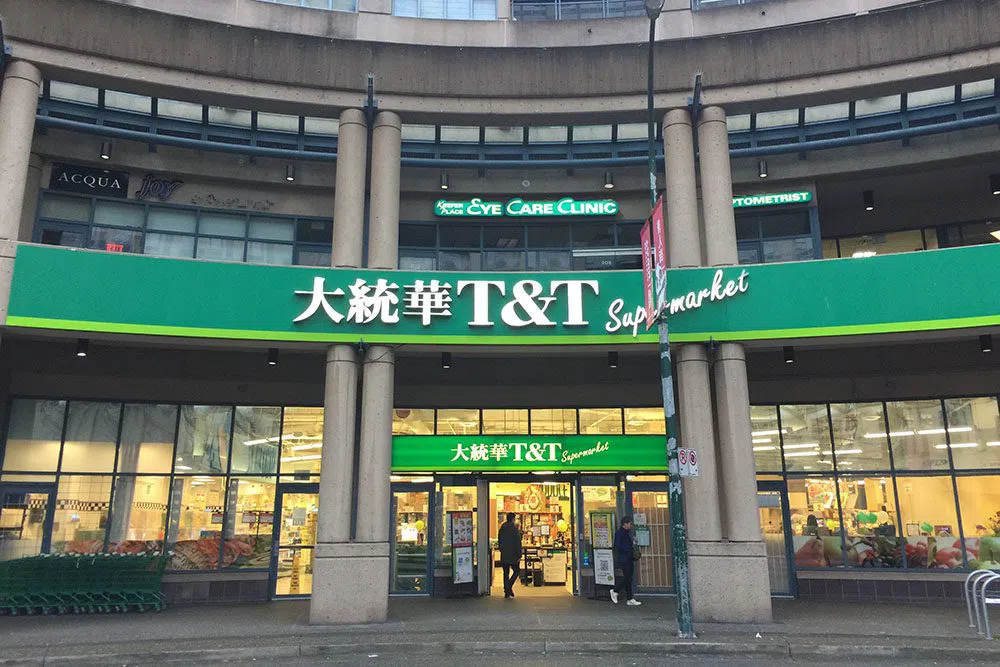
T&T Supermarket (Chinatown) isn't dressed up for visitors, and that's the point. It's the indoor food culture Vancouverites actually retreat to when it's pouring, not a market built to be photographed. Wander the aisles of bao, dried seafood, and prepared hot food for $2-15 CAD a portion. No booking, no ticket, easy for a group to drift through at its own pace and reconvene by the bakery counter. This is what people here eat on a Tuesday, camera or no camera.
Steam rooms and coffee houses built for grey days
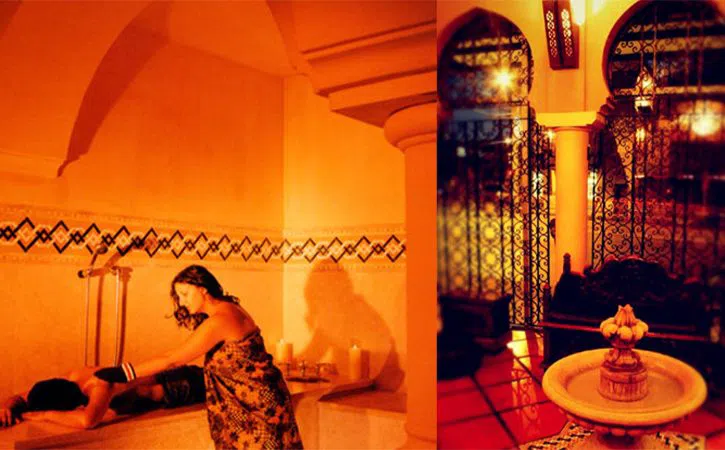
Miraj Hammam Spa (Kitsilano) takes the rain-as-ritual idea and makes it literal. It opened in 2000 as Canada's first hammam, and the name means, roughly, "steam-filled." The co-ed lounge and separate steam sessions suit small groups by appointment as easily as a couple booking a treatment together, but this is not a walk-in spot. Book ahead, especially for weekends, when the whole city seems to want to be warm and wet indoors on purpose rather than by accident outside. Treatments run $60-150-plus CAD depending on what you add to the base hammam session.
Steamworks Brewing Company (Gastown) is named for, and literally powered by, the steam-pipe network running under Gastown's streets, so for once the name isn't just branding. It's set up for groups and long-standing party bookings, loud and warm in the way a good beer hall should be after a soaked walk from the SeaBus. Pints run $8-9 CAD, mains $18-35 CAD, and it holds a crowd better than it holds an intimate conversation, so save it for the friends' table, not a first date.

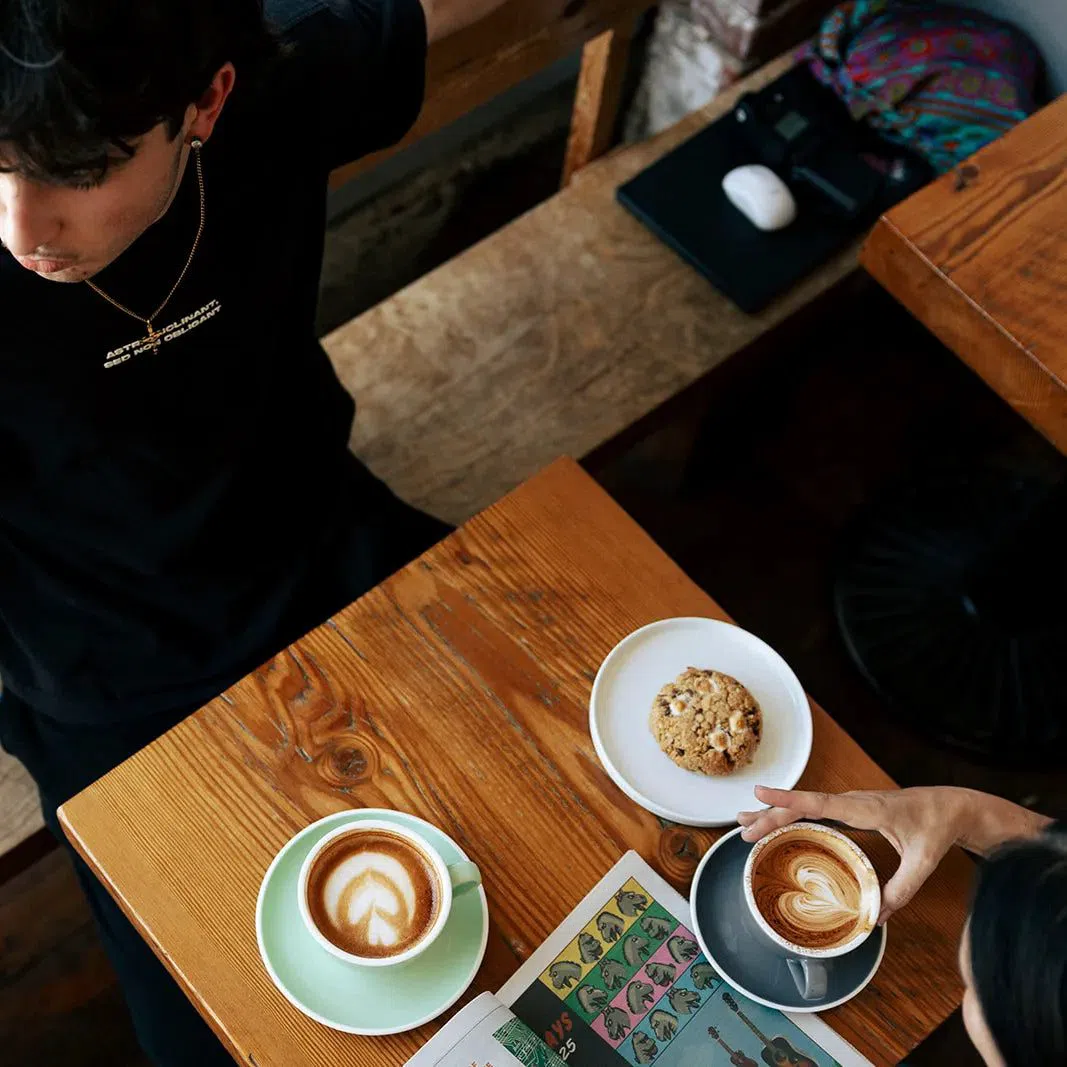
Prado Café (Commercial Drive) is the actual steam-filled café here, in the everyday sense: an old-school, Italian-inflected coffee house on a strip that's had this culture for generations, not a chain that discovered "cozy" as a design brief. Expect to share a table at peak hours. A coffee and pastry runs $4-9 CAD. My grandmother made her coffee thick and dark on a stovetop the way her mother had, and Prado's espresso, pulled fast and drunk standing at the counter while the window fogs up, is the first place in this city that's made me think of her kitchen. It's casual, no reservations, and best for a couple or a pair of friends, not a group looking to hold a table.
Glass domes and galleries that frame the weather rather than hide from it
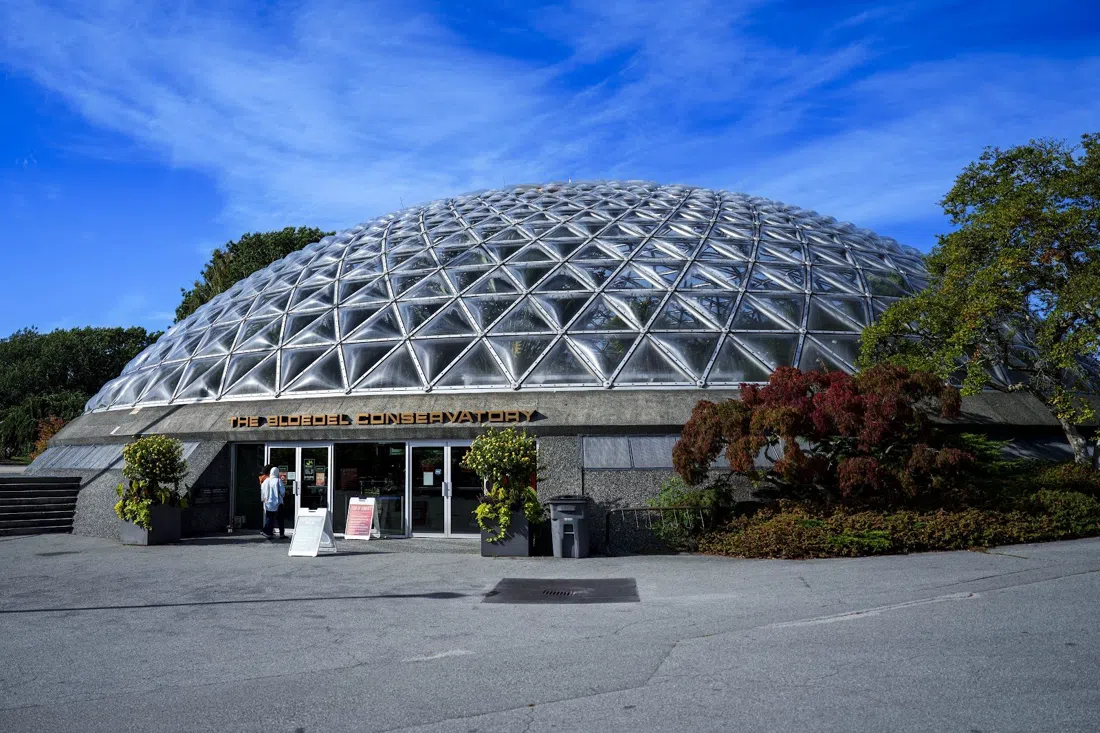
Bloedel Conservatory (Queen Elizabeth Park) sums up the whole idea: a glass geodesic dome built in 1969, at the highest point in the city, specifically so Vancouver could guarantee itself one warm, dry, tropical hour regardless of what the sky was doing. Free-flying parrots and a rainforest's worth of humidity sit inside a structure that gets busy on rainy weekends, because locals treat it as a default rain-day plan, not a tourist stop. Small groups are welcome without advance booking, and admission is about $8 CAD for an adult.
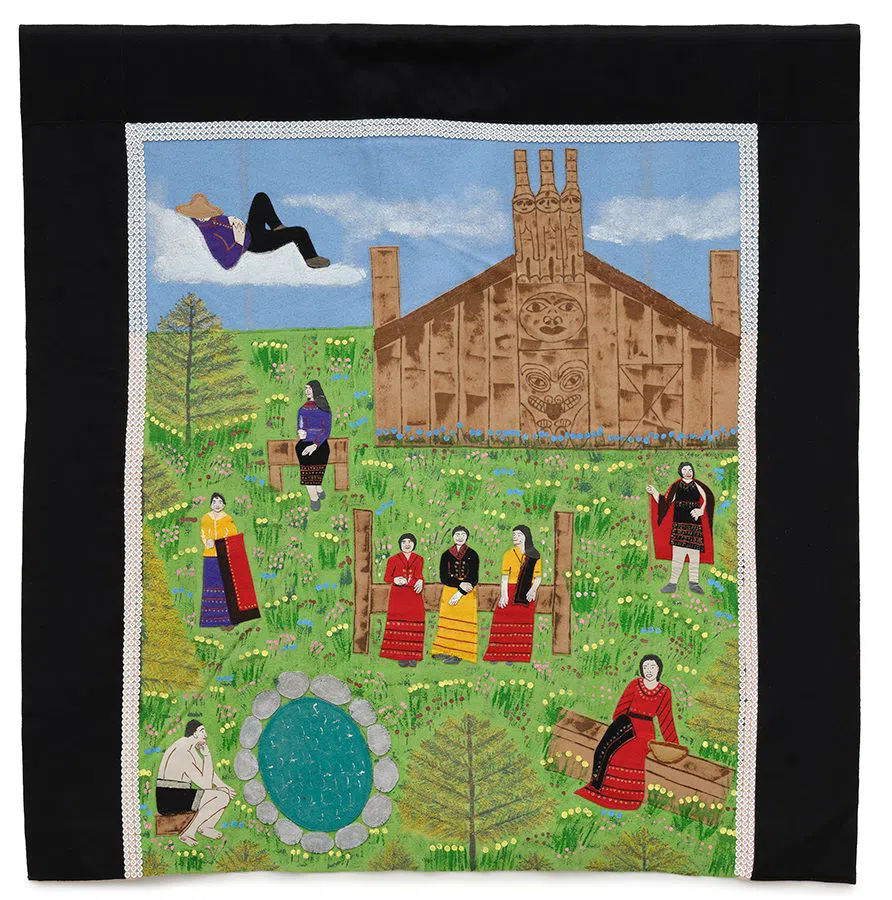
Museum of Anthropology at UBC (Point Grey) uses its glass walls to frame the grey coastline instead of blocking it out, with totem poles and Northwest Coast collections lit by whatever light the day happens to offer. Group tours run regularly, and Thursday evenings from 5-9pm are half-price, which is the smart time to go if you're not tied to a group's schedule. Standard adult admission is about $26 CAD.
Beaty Biodiversity Museum (Point Grey), a short walk from MOA, is the quieter science counterpart: a blue whale skeleton suspended over a research collection of preserved specimens, popular with school groups and easy to fold into the same UBC afternoon. Admission runs $14-18 CAD for an adult, and it's a good half-hour add-on, not a full stop on its own.

Chinatown Storytelling Centre (Chinatown) expanded in May 2026 with a new Learning Lab, so it's one of the newest indoor stops in the city right now, not just a fixture everyone already knows. Timed group tours walk through the history of Vancouver's Chinatown with a directness that doesn't flinch from the harder parts of that history. Admission runs $10-18 CAD. It suits a focused group of six to ten comfortably, less so a loose crowd that wants to wander at will.

Big wet-day attractions for groups and families
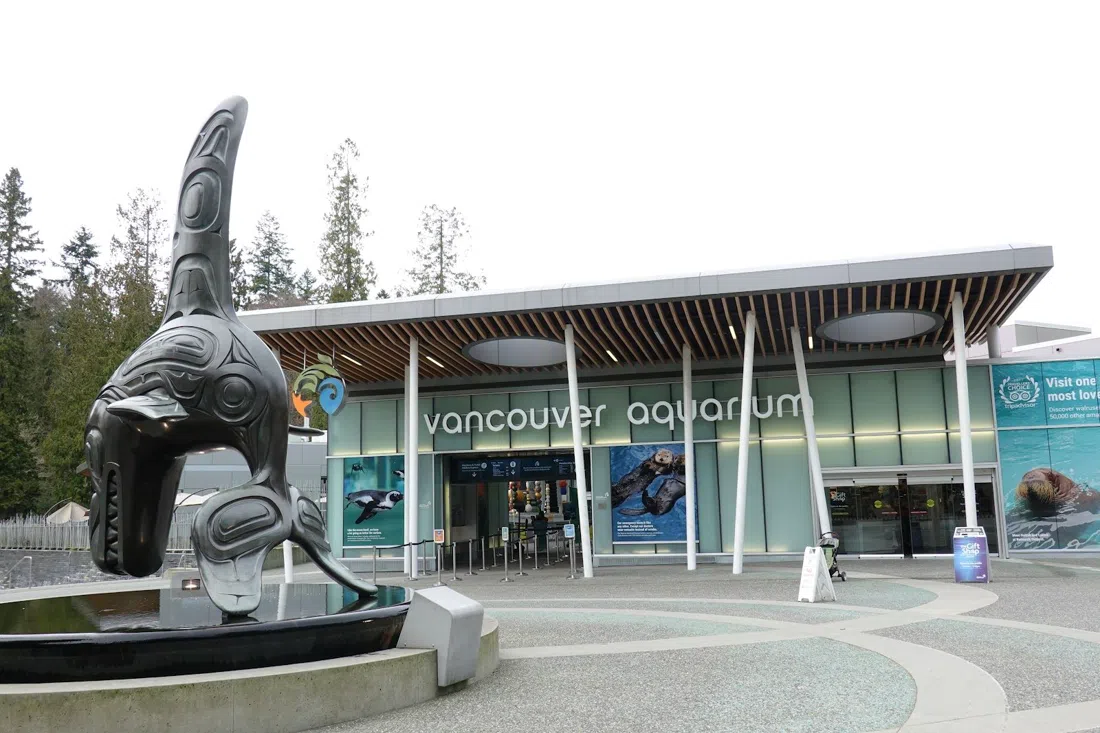
Vancouver Aquarium (Stanley Park) is the indoor counterweight to a park that turns genuinely unwalkable in a downpour. The seawall that draws everyone in July is a different, colder proposition in November rain, and this is where that same afternoon goes instead. Dedicated group ticketing and school-tour packages make it straightforward for larger parties, and adult admission runs $35-45 CAD. It's built for families and groups more than for a quiet couple's afternoon, and it earns that.
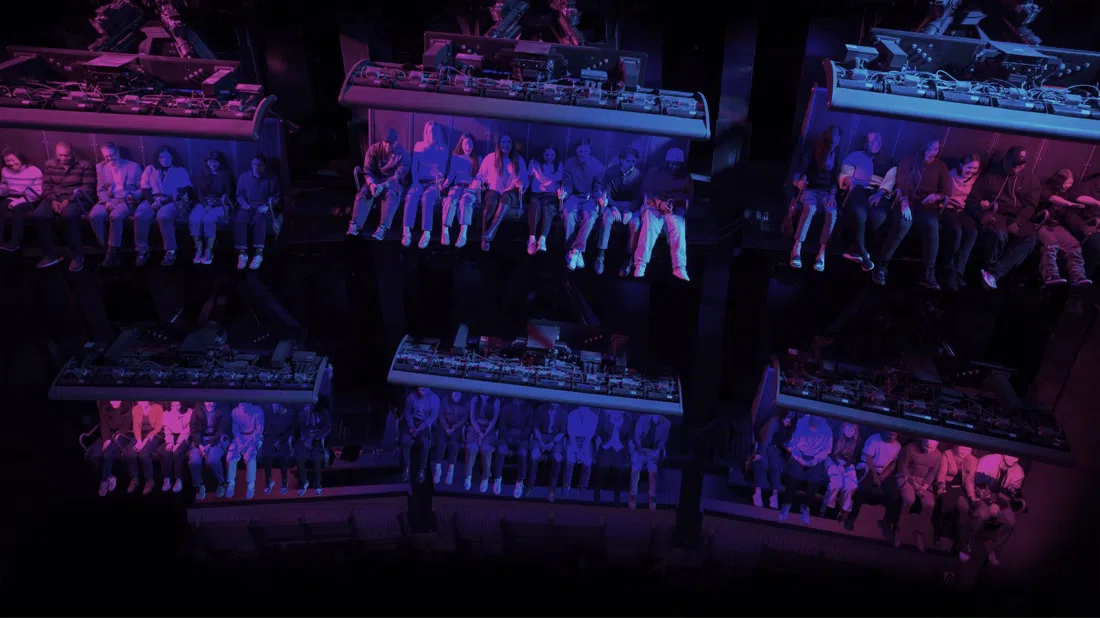
FlyOver Canada (Canada Place) is a fully indoor, weatherproof flight simulator over the very coastal landscapes the rain is keeping you from seeing outside, which is either an odd irony or the whole point, depending on your mood by day three of grey skies. Group and school bookings run smoothly through the ticketing desk, and tickets run roughly $30-35 CAD. It's a short, high-turnover experience, good for filling an hour between a market visit and dinner, not an afternoon on its own.
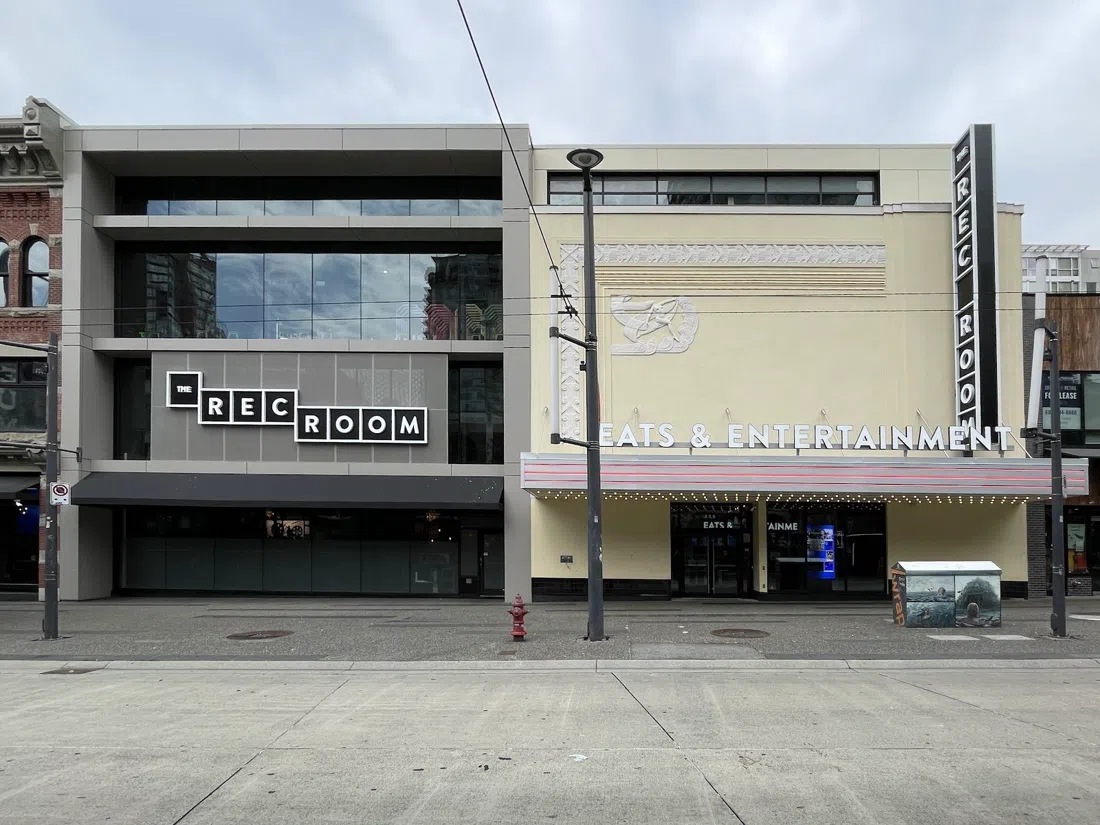
The Rec Room (Downtown Granville) is the unapologetically modern end of this spectrum: bowling lanes, arcade games, and a full bar under one roof, built from the ground up for group bookings rather than retrofitted into one. Reserve lanes ahead if your group is more than four, and budget $15-40 CAD per person depending on which activities you mix in. It's the right call for a birthday party or a lively group night, the wrong call if what you actually want is quiet.
Free covered spaces locals use like a second living room
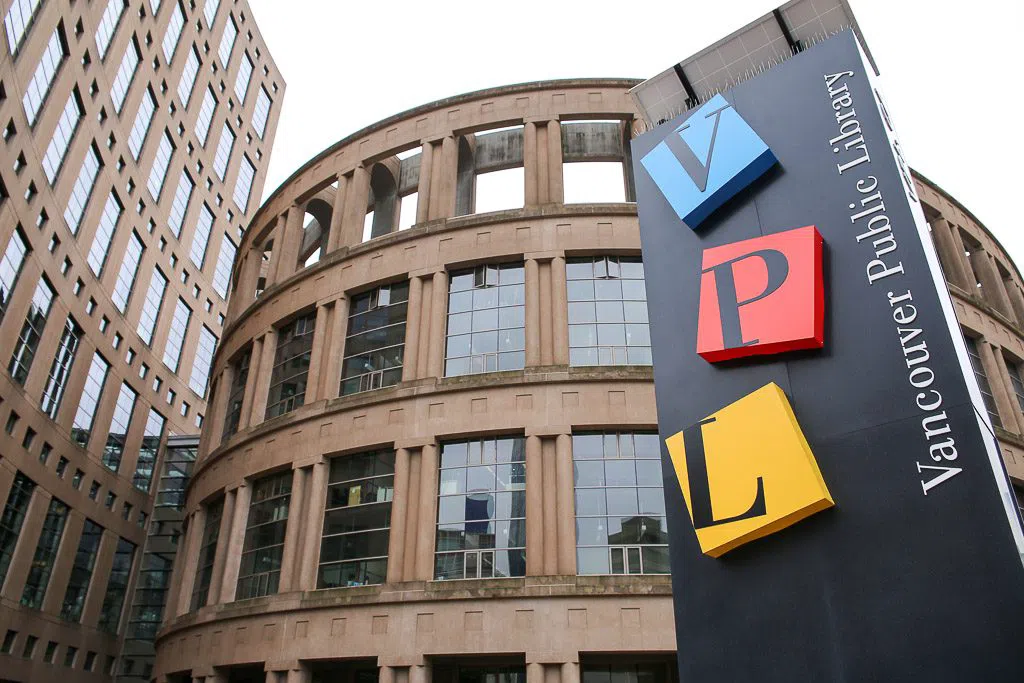
Vancouver Public Library, Central Branch (Downtown) puts the whole idea under one roof: a free, always-open atrium that locals use as an indoor piazza on wet days, no ticket and no booking required. Students spread out with laptops, retirees read newspapers at the long tables, and nobody minds if you sit for two hours nursing one coffee from the ground-floor café. It's the best free, no-plan option on this list, and the easiest to fold into a group of any size, since nobody needs to buy anything to be there.
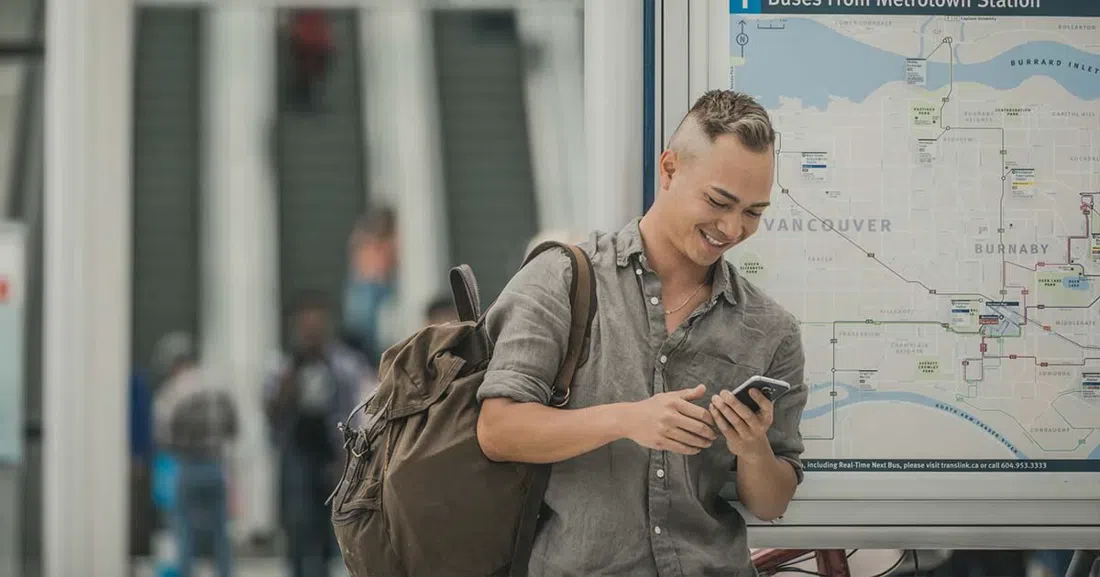
Waterfront Station (Downtown/Gastown) proves this covered-city instinct predates any tourism marketing by about a century. It's a 1914 railway terminus, repurposed piece by piece, that is now the driest way to move between downtown, the North Shore ferries, and the SkyTrain system. It costs nothing to walk through, though you'll need transit fare to actually ride onward from it. Use it as your hub: it's also where the SeaBus to Lonsdale Quay departs, so the two covered destinations connect directly without a single wet step between them.
Planning a rainy-day Vancouver
Base yourself downtown or in Gastown so Waterfront Station, the SeaBus, and the SkyTrain are all within a short covered or near-covered walk. Start your search with Vancouver hotel search, and see the full Vancouver guide for neighbourhood-by-neighbourhood detail beyond this itinerary. Rain gear beats an umbrella here: the drizzle is often too fine and too sideways for one to do much good, and Vancouverites will clock you as a visitor by the umbrella alone. Carry a bit of cash for the smaller market stalls at Granville Island and T&T even though most vendors take cards, and book Miraj Hammam Spa and any Rec Room lanes at least a few days ahead if you're set on a weekend slot. Everything else on this list takes walk-ins. October through April is peak rain season and peak indoor-life season to match. A loose day plan of market, museum, and one steam-and-warmth stop covers most of what this city offers when the sky doesn't cooperate, and none of it needs the sun to work.